Internet service in the Philippines is back to normal. PLDT, Globe, and Converge all confirmed over the weekend that connectivity has been restored nationwide, two days after a subsea cable cut between the Philippines and Singapore slowed international traffic for users across the country.
PLDT announced the recovery in an advisory issued at 4:30 p.m. on October 4: "Services have fully normalized nationwide following the submarine cable cut between the Philippines and Singapore on Oct. 2."
Globe said it has restored mobile and broadband connectivity in the affected areas, with traffic across the affected route back online after the cable landing station in the Philippines reactivated the system and stabilized fiber connections. Converge, for its part, said it successfully rerouted internet and data traffic to other submarine cables.
Why your internet slowed in the first place
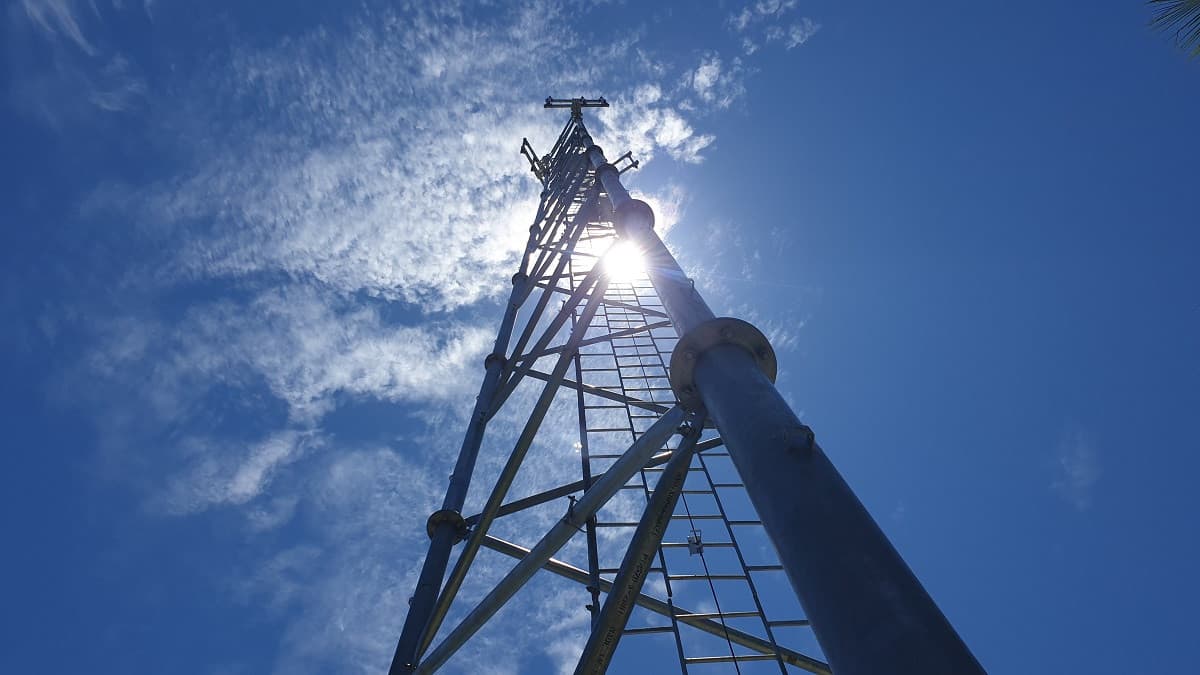
The fiber break hit a subsea cable segment linking the Philippines and Singapore on October 2. That route carries a large share of the country's international traffic, so the cut reduced the bandwidth available for reaching overseas services. The result for ordinary users: slower loading on foreign-hosted sites and apps, lag in online games on international servers, and intermittent connections — even though domestic traffic was largely unaffected.
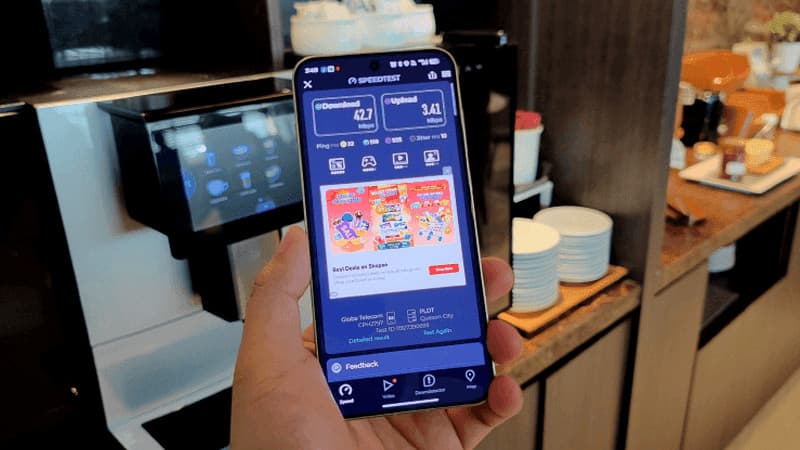
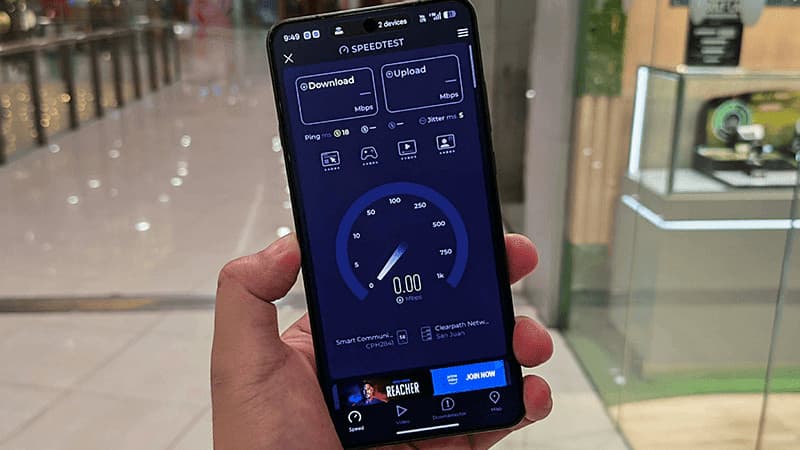
The disruption hit mobile and broadband subscribers of all three telcos, who reported intermittent connectivity, higher latency, and reduced browsing speeds while the route was degraded. Telcos responded the way they always do in a cable break: rerouting traffic through alternative international links while capacity on the damaged route was offline. By Sunday afternoon, all three had declared the workaround complete — Globe thanked customers for their patience and said it continues to monitor network performance to keep connections stable. We covered the disruption as it unfolded in our report on the PH-Singapore cable cut, when repairs were expected to stretch for weeks.
Is this fully fixed?
For users, yes — speeds should be back to their usual baseline, and the restoration came ahead of the several-day timeline the telcos first floated. For the network itself, not quite. Globe said it is still working with international partners to determine the exact nature and location of the fault, which means the physical fiber repair is a separate, longer job that happens after the fault is pinpointed. Restored service right now rests on reactivated systems and rerouted capacity, not a mended cable.
That distinction matters for what comes next:
- Rerouted traffic has less headroom. Until the damaged segment is physically repaired, another break on a different route would leave fewer alternatives to lean on.
- The repair itself takes time. Subsea fiber repairs need specialized cable ships, good weather, and precise fault location — a process measured in weeks, not days.
- No cause has been announced. Neither the telcos nor regulators have said what damaged the cable, and Globe's investigation into the fault is ongoing.
The bigger lesson for Philippine connectivity
This incident is a reminder of how much Philippine internet still depends on a handful of international cable routes, with Singapore serving as a major gateway. One damaged segment was enough to slow browsing across the whole country for a weekend. More landing stations, more cable diversity, and more locally cached content are the long-term fixes — and they are exactly the kind of infrastructure investment that takes years to build. Until then, expect the pattern to repeat: a cut somewhere under the sea, a few days of sluggish connections, and a scramble to reroute around the damage.