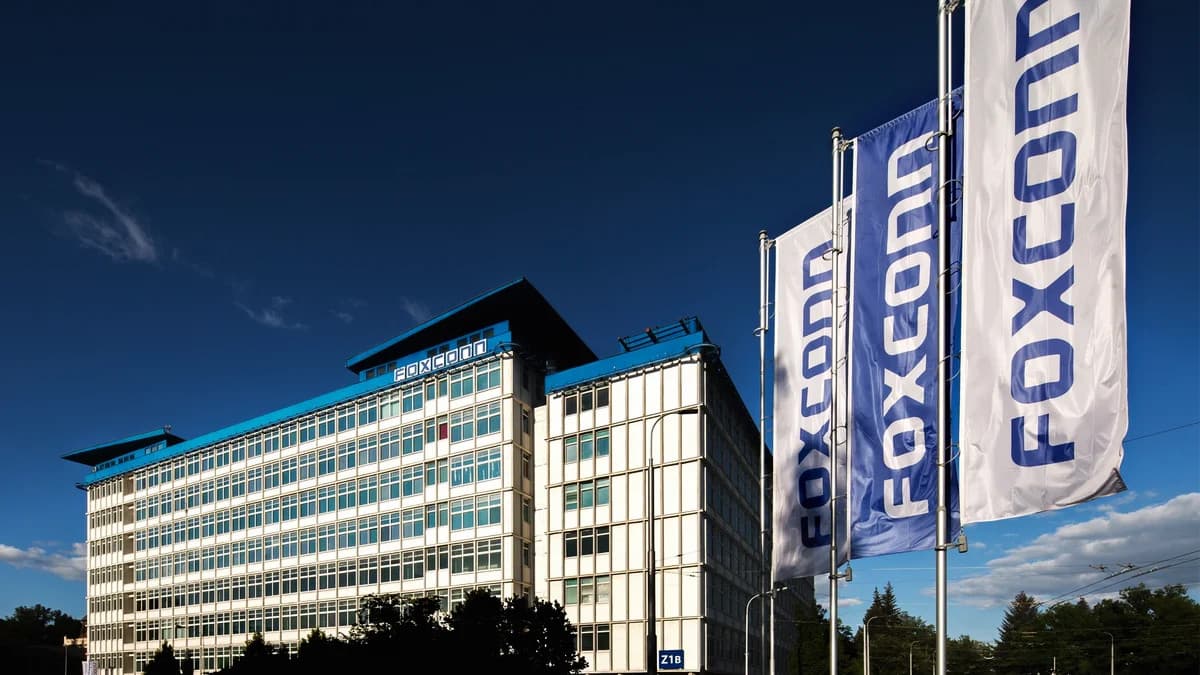
Foxconn, the Taiwanese giant best known for assembling Apple's iPhones, is working to become the anchor investor of the Pax Silica technology hub planned for New Clark City in Tarlac. Philippine finance officials said this week that the government is moving toward a formal framework agreement with the company, while Foxconn conducts due diligence and prepares technical teams for site inspections.
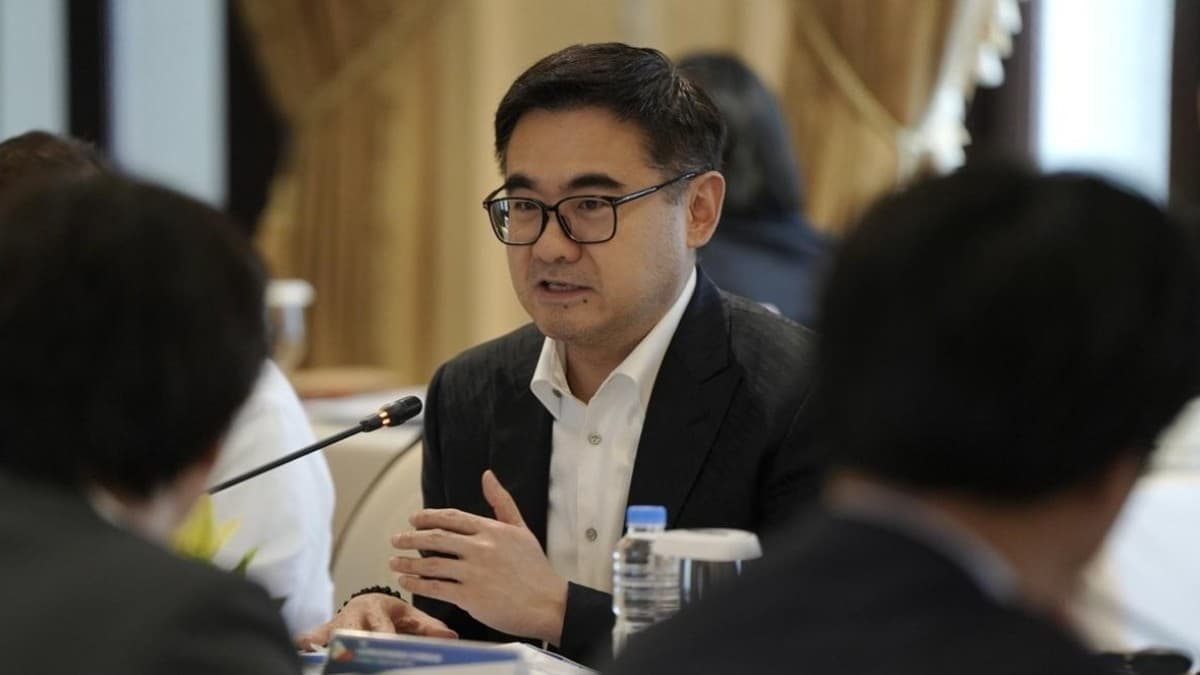
Finance Secretary Frederick D. Go has called the hub a "generational" project — one that could shift the Philippines from assembling low-cost electronics toward higher-value semiconductor and artificial intelligence (AI) hardware manufacturing. Foxconn is one of the world's largest electronics contract manufacturers, building devices for Apple, Sony, and other global brands, which is why its choice of location carries so much weight with suppliers deciding where to set up next.
What is Pax Silica?
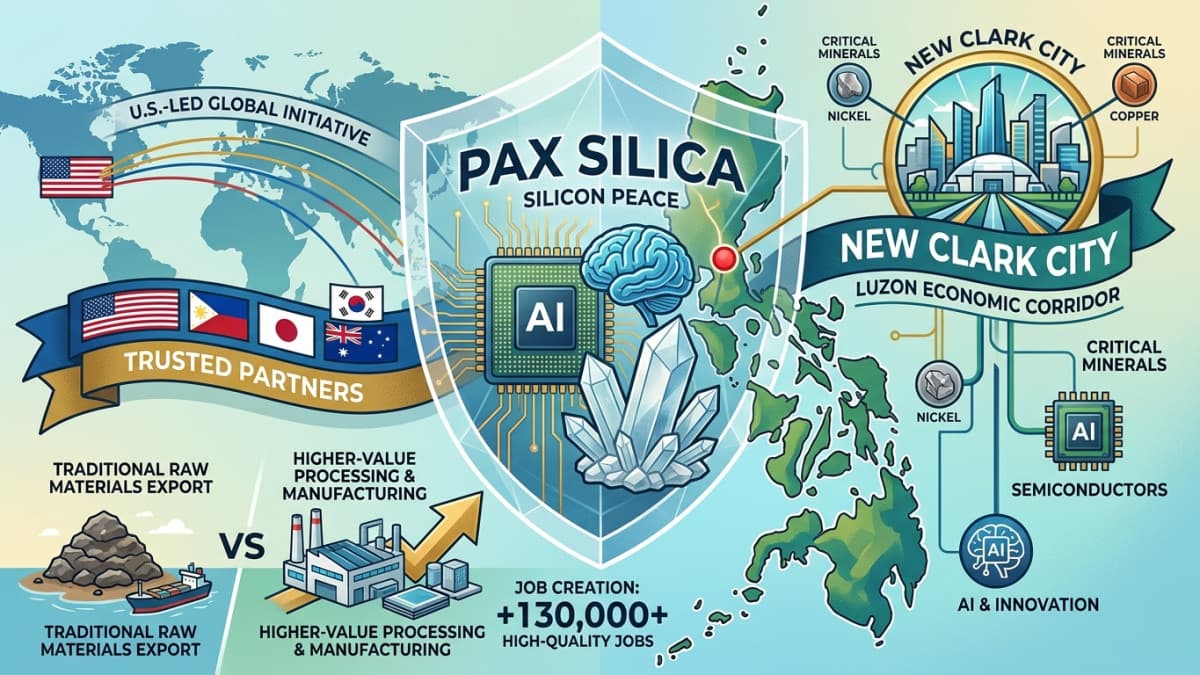
Pax Silica is a US-led coalition of countries and economies working to build secure supply chains for semiconductors, critical minerals, and advanced technology — supply chains that are less dependent on any single country. The Philippines joined the initiative in April 2026, and the coalition has since grown to include the European Union among its members.
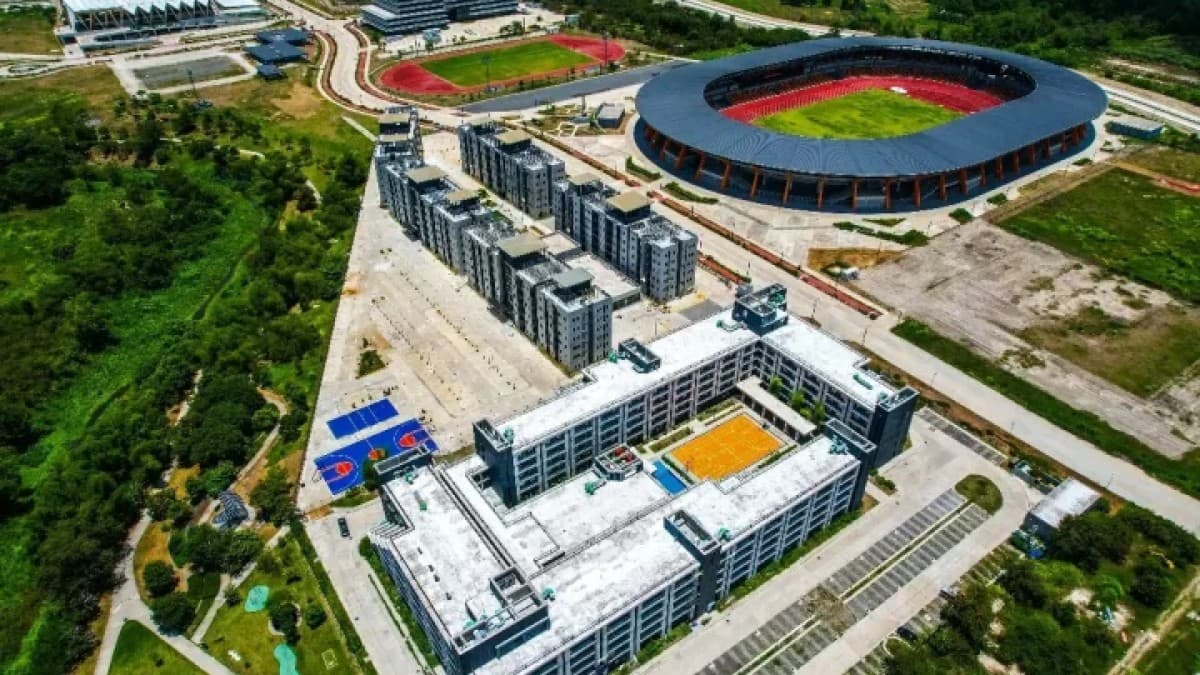
The Philippine commitment centers on a 1,619-hectare Economic Security Zone in New Clark City, about an hour north of Manila inside the Luzon Economic Corridor. The plan, first confirmed by Finance Secretary Go in July, positions the site as an AI-focused industrial hub covering data centers, electronic components, and high-tech manufacturing. Gulf News reported that Foxconn — formally Hon Hai Technology Group — is set to serve as the anchor investor for the first technology hub under the initiative.
How big could it get?
Economic planners estimate the multi-stage hub could mobilize between $40 billion and $70 billion (around ₱2.5 trillion to ₱4.3 trillion) in total foreign direct investment over its lifecycle, according to an August briefing on the project. The same report says the government intends to pair the hub with fiscal incentives under the CREATE MORE Act and dedicated logistics through Subic Bay Port.
The Department of Finance has outlined three goals for the project: moving the country into high-value semiconductor and AI hardware manufacturing, creating ecosystem effects that pull in secondary suppliers and research institutions, and backing the zone with investment incentives plus dedicated infrastructure.
The immediate milestone is the framework agreement between the Philippine and US governments, which officials have prioritized signing before the end of 2026. Construction would follow the signing, with Foxconn's site inspections and due diligence feeding into the final commitment.
What it could mean for Philippine tech jobs
For the local electronics industry, the promise is a step up the value chain. Domestic companies see openings in data center hardware and collaborative design work, alongside the thousands of construction and manufacturing jobs a project of this scale would bring to Central Luzon.
The caution flags are just as concrete. Analysts quoted in the Daily Tribune's deep dive on the project note that success depends on reliable electrical power, renewable energy supply, and a trained workforce — and warn that the Philippines must push into higher-value production rather than staying confined to lower-tier assembly. Power costs in the Philippines are among the highest in Southeast Asia, which matters enormously for energy-hungry chip plants and data centers.
What to watch next
Three things will show whether the project is real: the signing of the framework agreement within the year, the outcome of Foxconn's site inspections, and the first named locator companies beyond Foxconn itself. The anchor role was first reported in July, but this week's reiteration by finance officials — with due diligence now underway — signals the deal is progressing rather than stalling. If it lands, New Clark City would become the most ambitious tech-industrial project the country has attempted.