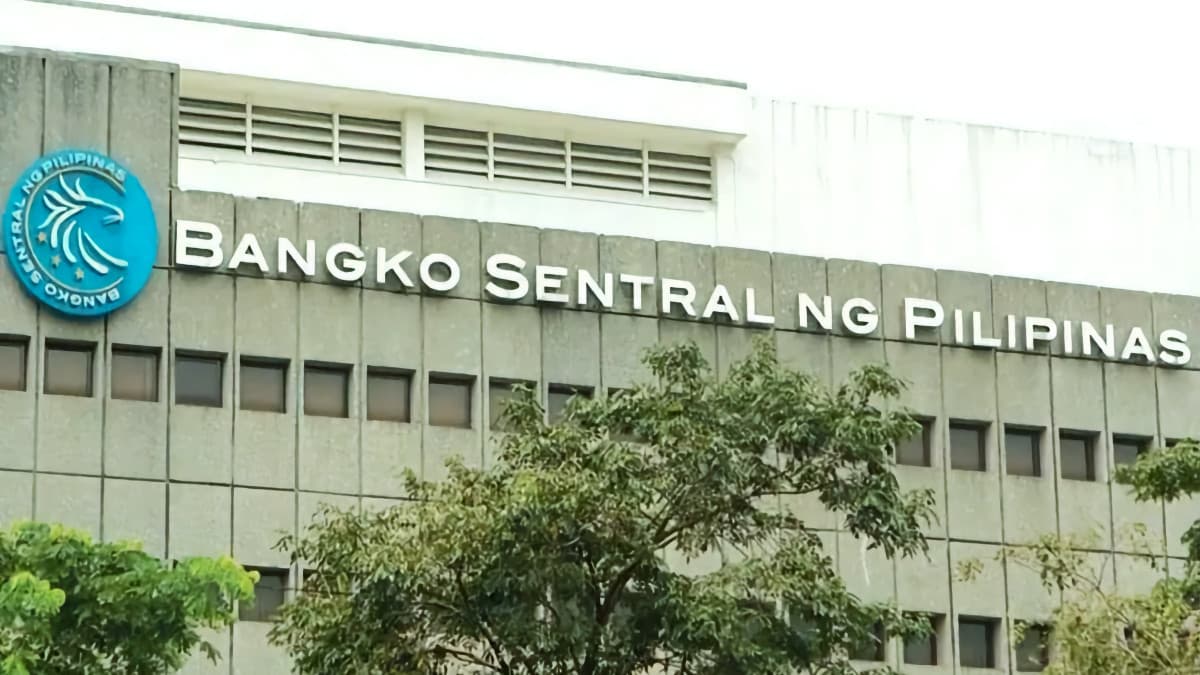
The Bangko Sentral ng Pilipinas (BSP) has closed a side door into digital banking. Circular No. 1240, issued on September 21, 2026, requires any thrift, rural or cooperative bank that the regulator determines is operating like a digital bank to hold at least ₱1 billion in capital — the same minimum already imposed on the country's seven licensed digital banks, according to the Philippine News Agency.
Until now, a small bank could build a largely digital operation under its existing thrift or rural license, without the capital cushion the BSP demands of institutions that carry a digital banking license. The new circular says that if a bank runs like a digital bank, it must be capitalized like one.
Which banks are covered
The circular applies to existing thrift, rural and cooperative banks that meet either of two conditions, per the BSP:
- the bank operates under a business model similar to a digital bank's, or its risk management and capital are no longer aligned with its official business model and risk profile; or
- the bank relies on digital platforms and is posting significant growth in loans or deposits.
On the second test, Philstar.com reported that banks posting quarterly growth above 30 percent in loans or deposits for two consecutive quarters face added scrutiny. The rule also reaches acquisitions: a buyer that intends to turn a thrift, rural or cooperative bank into a technology-driven business must show the ₱1-billion capital at the time of application.
What covered banks must do — and by when
A bank the BSP notifies gets six months from receipt of the notice to comply. Beyond the capital floor, covered banks must meet the prudential standards that apply to licensed digital banks. The BSP may also impose enhanced supervisory reporting, restrictions on certain activities or new digital products, and require strengthened risk management and control systems — Tribune reported that the central bank framed the requirements as ensuring "that these banks can adequately manage risks arising from the nature, scale, complexity, and risk profile of their operations."
A path to a real digital bank license
Circular 1240 is not only a penalty framework. It also allows the BSP to issue additional digital bank licenses, including through the conversion of existing thrift, rural and cooperative banks — subject to review of the applicant's governance, business model and resources. A small bank that has genuinely outgrown its license category now has a defined route to the digital banking tier, provided it can raise the capital.
Why the BSP moved now
Digital deposits and lending have been growing fastest at exactly the kind of small institutions this circular targets, and the risk profile of an app-first bank — fraud exposure, cybersecurity, the speed at which deposits can move — looks nothing like that of a traditional single-province rural lender. The circular lands in a year when the central bank has been active on several digital-finance fronts, from scam enforcement — see the BSP's report that online scam cases fell in early 2026 — to overseeing a record fintech listing now underway in the GCash IPO.
What it means for smaller lenders and their customers
For depositors, the rule is protective: a bank that grows digital deposits quickly must now carry the capital to absorb the risks that come with that growth. For small banks, it raises the cost of scaling digitally — ₱1 billion is far beyond the traditional capital levels of many rural lenders, so some will have to slow their digital push, seek investors or merge, while others may pursue conversion into licensed digital banks. Either way, the era of running a digital bank on a rural bank's capital base is over.