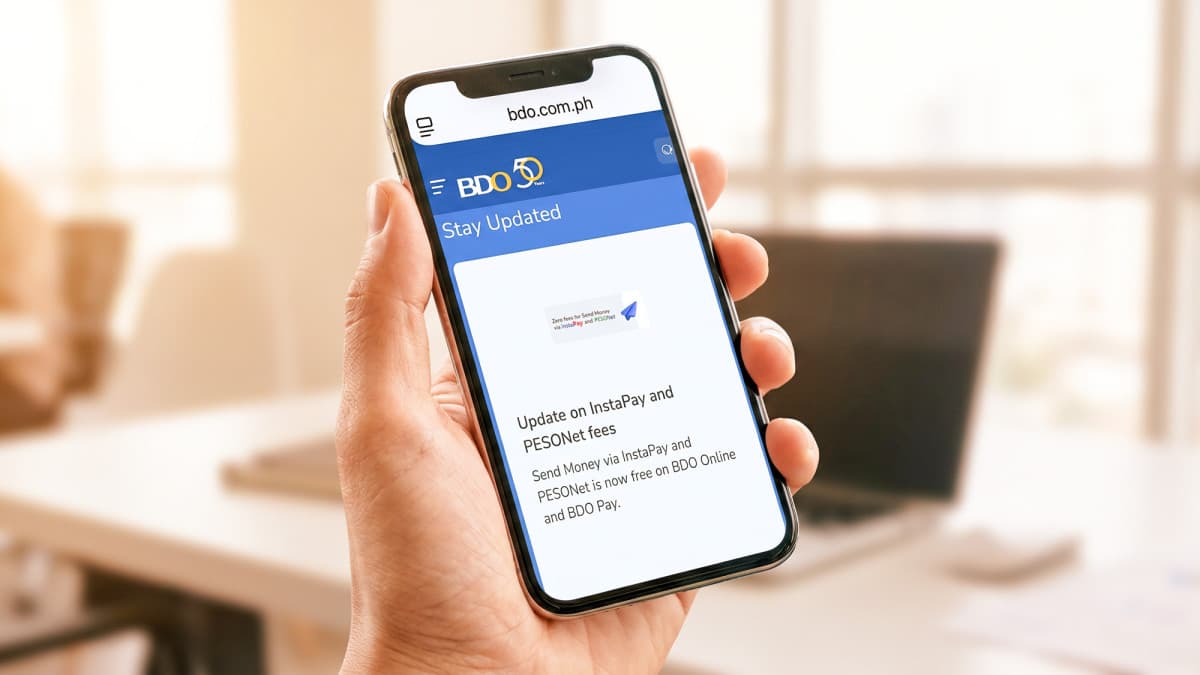
Two more major Philippine banks are scrapping their digital transfer charges. LandBank and UnionBank are waiving InstaPay and PESONet fees starting July 7, 2026, the latest moves in a fast-moving fee war triggered by new Bangko Sentral ng Pilipinas (BSP) rules. The changes mean millions of customers at two of the country's largest lenders can now send money to other banks and e-wallets for free.
Key Takeaways
- LandBank will stop collecting InstaPay and PESONet transfer fees on July 7, including for Overseas Filipino Bank clients.
- UnionBank is removing fees for person-to-person InstaPay transfers via UnionBank Online, adding to its existing free PESONet and QRPh services.
- The waivers follow BSP Circular No. 1238, which requires interbank transfer fees to be cost-based and not significantly higher than intrabank fees.
- BPI, RCBC, GCash, and Maya have all already cut or scrapped their transfer fees.
What LandBank and UnionBank announced
LandBank said it will waive fees on InstaPay and PESONet transfers, as well as charges for retail and person-to-government transactions through QRPh, for clients using the LandBank Mobile Banking App and its iAccess platform. As a government-owned bank with one of the widest customer bases in the country, its shift to zero fees is significant for salary earners, pensioners, and small businesses that rely on interbank transfers.
UnionBank, for its part, confirmed ₱0 fees for person-to-person fund transfers via InstaPay through the UnionBank Online app. That adds to a lineup of services the Aboitiz-led bank already offers for free, including PESONet transfers, UnionBank-to-UnionBank transfers, bills payment, mobile load purchases, and in-store QRPh payments. Customers need to be on the latest version of the app to see the updated rates.
Why the fees are disappearing
The wave of waivers traces back to BSP Circular No. 1238, which directs banks and e-wallets to price electronic fund transfers based on actual processing costs rather than charging flat fees that regulators viewed as excessive. Since the rule took effect, lenders have raced to cut prices. BPI removed InstaPay and PESONet fees permanently on July 1, RCBC introduced 30 free monthly InstaPay transfers on its Pulz app starting July 4, and GCash and Maya lowered their fees to ₱10.
Political pressure adds to the momentum
The timing is not accidental. On July 6, Malacañang publicly called on more banks to reduce or remove transfer fees, arguing that cheaper digital payments support financial inclusion and everyday commerce. With the country's biggest private and government banks now offering free transfers, the remaining holdouts face growing pressure to follow.
Why It Matters for PH consumers
For everyday users, the practical effect is immediate: sending money across banks and e-wallets, whether splitting a bill, paying a supplier, or transferring to a relative, no longer eats ₱15 per transaction at these institutions. For the many Filipinos who move funds between multiple apps each week, the savings add up quickly. The bigger picture is a structural shift toward free, real-time payments as the default in the Philippines, accelerating the move away from cash.
FAQ
When do LandBank and UnionBank's zero fees take effect?
Both take effect on July 7, 2026.
Do I need to do anything to get the free transfers?
UnionBank customers should update to the latest version of the UnionBank Online app. LandBank clients can transact through the LandBank Mobile Banking App or iAccess.
Which other banks and wallets have cut fees?
BPI and RCBC have scrapped or reduced InstaPay and PESONet fees, while GCash and Maya lowered theirs to ₱10.
Sources: