Tesla is back on top of the global battery-electric vehicle (BEV) market. The company took 13% of global BEV sales in the second quarter of 2026, edging past BYD's 12%, according to Counterpoint Research's quarterly EV tracker. Geely Holding held third at 9%, and the market as a whole grew 24% year-on-year. Battery-electric cars now account for 19% of all passenger cars sold worldwide — roughly one in five.
One important caveat up front: these figures count battery-only vehicles. Plug-in hybrids — a segment where BYD is very strong — are excluded, which is why different reports can crown different leaders.
| Automaker | Q2 2026 BEV share | Q1 2026 BEV share |
|---|
| Tesla | 13% | 11% |
| BYD | 12% | 13% |
| Geely Holding | 9% | 10% |
| Others | 66% | 66% |
Why Tesla climbed back
Tesla's deliveries grew 25% year-on-year in the quarter, even as its home US market softened after federal tax credits expired. The growth is concentrated: the Model 3 and Model Y made up 97% of its deliveries, and both landed among the world's three best-selling EVs for the quarter, alongside Geely's Galaxy Xingyuan.
BYD's battery-only dip
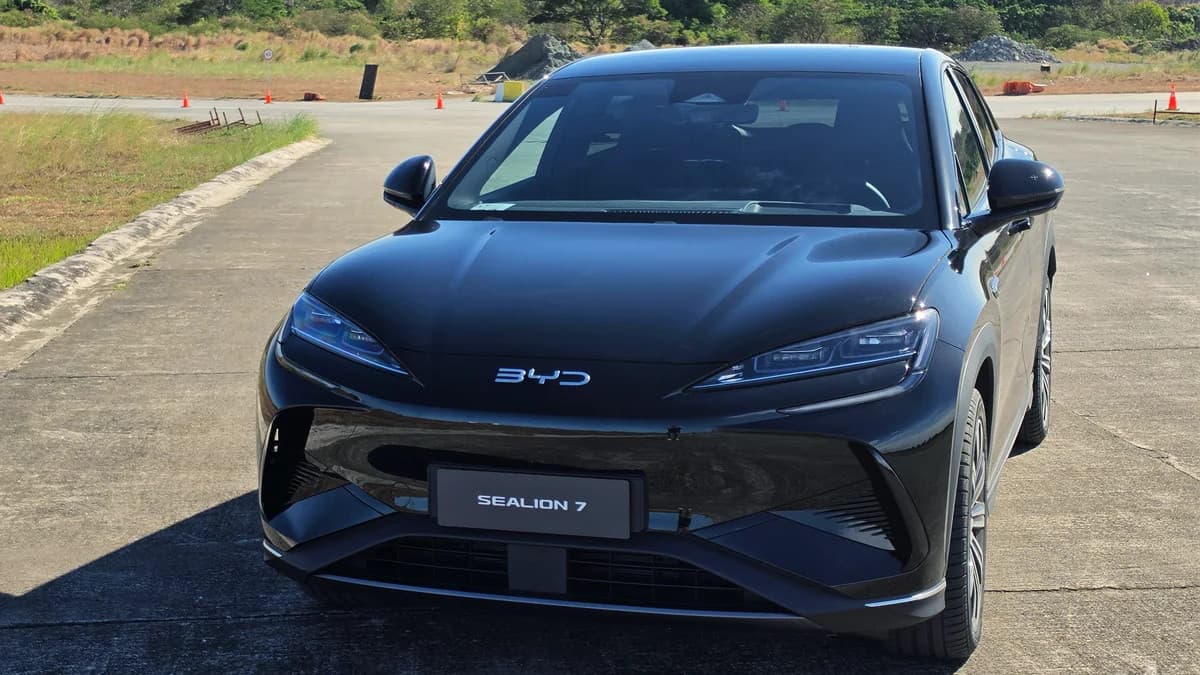
BYD's BEV sales fell 8% year-on-year to roughly 600,000 units, sliding it from first place in the first quarter to second in this one. That is a dip, not a collapse — and it says little about BYD's overall business, which leans heavily on plug-in hybrids that this ranking does not count. The company's affordable models still performed strongly, with the Dolphin, Seagull, and Yuan UP carrying volume. Geely's slip from 10% to 9% came despite solid showings from its Galaxy and Zeekr lines — and its Galaxy Xingyuan was one of the quarter's three best-selling EVs worldwide.
China still buys most of the world's EVs
China accounted for 56% of all global BEV sales in the quarter. That concentration shapes everything else: the "Others" two-thirds of the market is crowded with Chinese brands fighting for share at home and expanding abroad — which is where the Philippines comes in.
How this reads from the Philippines
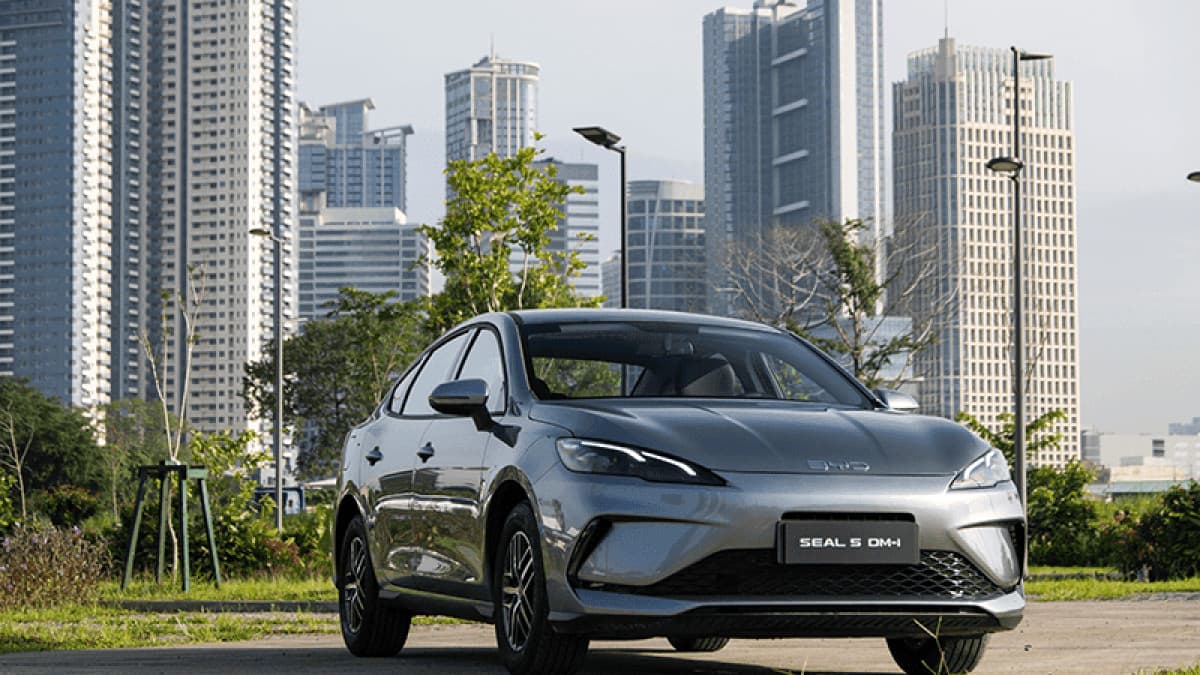
For most Filipino buyers, the more visible EV race is the one among Chinese brands, led by BYD, which has been landing new models at aggressive prices: the BYD Atto 2 arrived at ₱998,000 and the Seal 5 DM-i at ₱948,000, both offered with plug-in hybrid options suited to a country where charging stations are still thin outside Metro Manila.
The local market is growing fast off a small base, though exact numbers are contested. Industry figures cited by ACMobility, BYD's Philippine distributor, put electrified vehicles at around 22% of new-vehicle sales in the first half of 2026, CarGuide.PH reported — a figure that spans conventional hybrids and plug-ins, not just battery EVs. The same report flagged how murky brand-level claims can be: an initial statement credited BYD with roughly 49,562 units sold locally in the first half, but revised estimates placed the real figure between about 12,375 and 14,157 units, since the industry's official tallies do not audit private claims.
The takeaway for a Filipino buyer is less about who leads a global chart and more about what the chart implies. Intense competition among Chinese EV makers — the same brands crowding Counterpoint's "Others" column — is exactly what keeps pushing capable, lower-priced electrified models into the local market. Tesla's global rebound, meanwhile, was helped by demand recovering outside the United States, where Counterpoint notes deliveries weakened after federal tax credits expired. Whether BYD retakes the battery-only lead in the third quarter will depend on how its new lower-priced models sell — but for now, the scoreboard reads Tesla first, and the gap is a single percentage point.