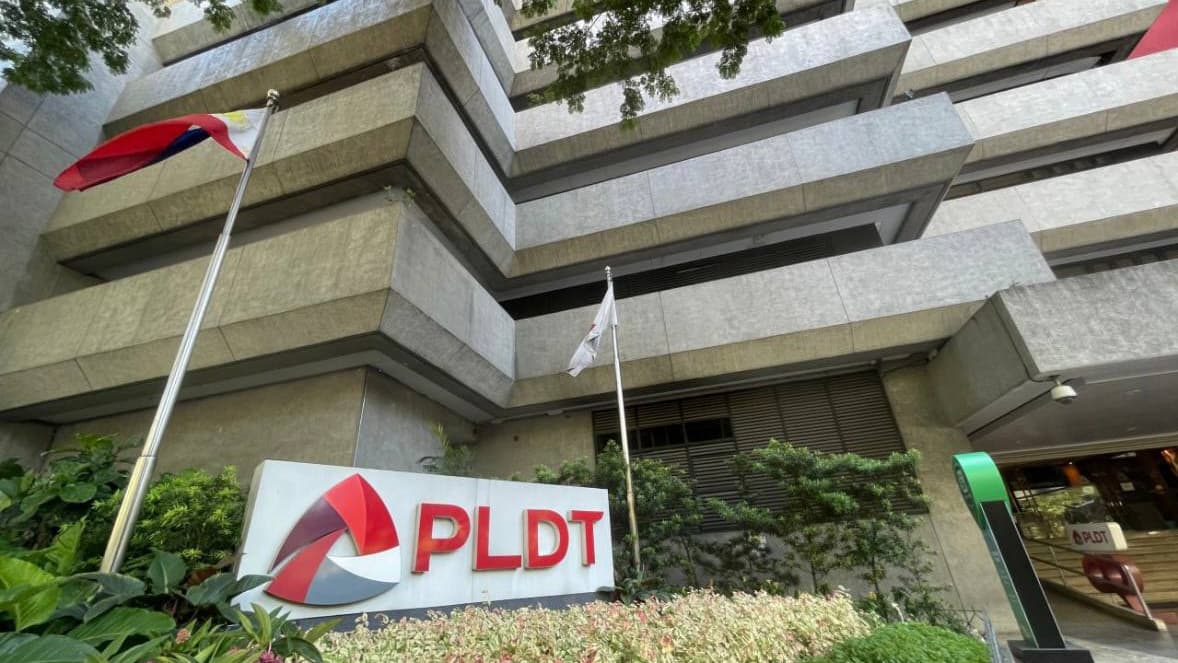
PLDT is now running three agentic AI systems across its day-to-day operations, and the numbers it is reporting are striking: research that used to take up to five days now returns answers in one to three seconds, and risk assessments that once dragged on for ten days finish in under a day. The rollout, built with enterprise-automation company UiPath, covers customer service, internal knowledge work, and enterprise risk management at one of the Philippines' two dominant telcos.
UiPath announced the deployment on September 11, and Philippine tech coverage of the rollout continued through this week.
What KAI, Ellie, and ERICA do
The three systems each handle a specific job inside PLDT:
- KAI (Knowledge, Automation, Intelligence) searches PLDT-approved information sources and generates contextual answers for proposal preparation and customer support. Work that previously needed up to five days of manual research now takes one to three seconds.
- Ellie (Enablement and Intelligence Engine) is an internal digital assistant that connects PLDT Enterprise employees to company knowledge and workflows. It was built by PLDT's Innolab and IT teams and has shortened enterprise customer response times by up to 80%.
- ERICA (Enterprise Risk Intelligence Companion Agent) has been live since February 2026. During annual risk reviews, it consolidates data, scores identified risks, and recommends possible treatments.
The hours PLDT says it is saving
| Agent | Job | Before | After | Hours saved per year |
|---|
| KAI | Knowledge retrieval | Up to 5 days | 1–3 seconds | 25,000–30,000 |
| Ellie | Enterprise workflows | Manual lookups | 25–35% less manual effort | 18,000–25,000 |
| ERICA | Risk assessments | 2–10 days | 5 minutes–1 day | 97–99% less manual effort |
Taken together, KAI and Ellie alone account for roughly 43,000 to 55,000 hours of manual work removed every year — KAI's share is equivalent to the output of about 12 full-time employees. One caution worth keeping in mind: as TechNode Global's report noted, these figures are company estimates and have not been independently verified.
Gilbert Gaw, PLDT First Vice President and Head of IT, said the partnership lets the telco "bring greater intelligence into our operations" and deliver more consistent, personalized customer experiences. UiPath Area Vice President Karl Crowther tied the push to rising customer expectations as 5G use grows, which he said has put added pressure on communications providers.
What 'agentic' AI means here
Agentic AI refers to software agents that carry out multi-step tasks on their own — searching, deciding, and acting inside set guardrails — rather than simply answering a single question the way a basic chatbot does. In PLDT's case, the agents work against approved internal sources, which matters for a telco handling sensitive customer and network data.
What it means for PLDT customers and workers
For PLDT Enterprise customers — the businesses that buy connectivity and managed services from the telco — the practical change is speed: quotes, support answers, and risk clearances that used to sit in queues for days now move in hours or seconds. The company frames the hours saved as capacity redirected to higher-value work rather than job cuts, though it has not published headcount details either way.
The deployment also places PLDT among a growing set of large Philippine firms putting AI agents into production rather than pilots. Fintech player Maya has taken a similar route, pairing agentic AI with National ID e-verification to compress customer onboarding. For Filipino enterprise workers, the direction of travel is clear: routine retrieval and paperwork are being automated first, and the jobs that remain will lean harder on judgment and customer-facing skills.