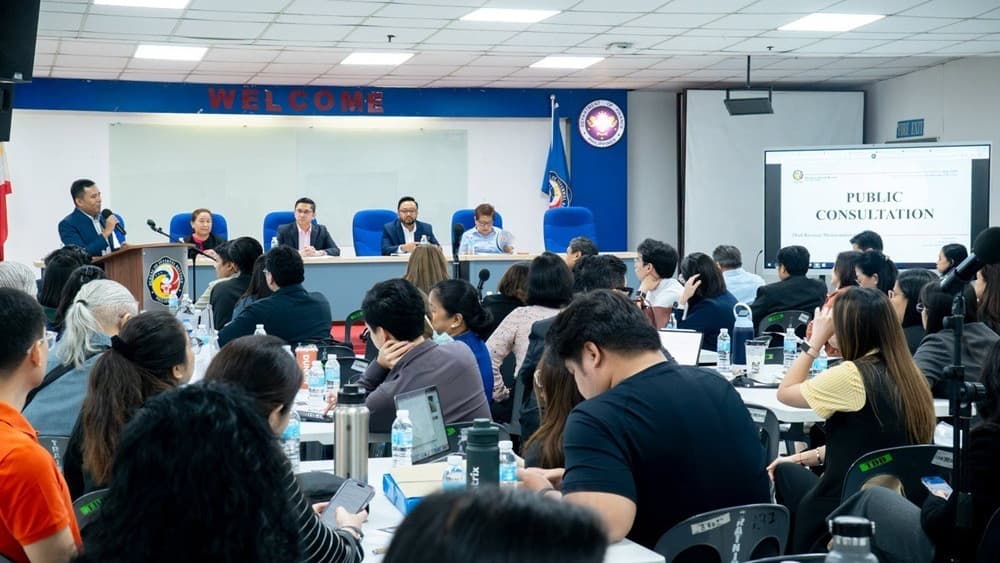
Covered Philippine businesses have four months left to get ready for mandatory electronic invoicing. The Bureau of Internal Revenue (BIR) held a consultation with private-sector groups on August 25 over the draft circular that will set the final rules, Newsbytes.PH reported — with the first batch of covered taxpayers required to issue e-invoices by December 31, 2026.
What happened at the consultation
The BIR met with its Partnership with the Multisectoral Group (BIR-PMSG), which brings together representatives from the business, accounting, tax, finance, export, technology, petroleum, and foreign-chamber sectors. Fifteen organizations took part in the session at the BIR National Office Training Center, led by Commissioner Charlito Martin Mendoza and Deputy Commissioner for Operations Vener Baquiran, according to The Morning Standard.
On the table was the draft Revenue Memorandum Circular (RMC) that will spell out the policies and guidelines for issuing electronic invoices. Feedback gathered at the consultation will shape the final draft before it is formally published.
"Electronic invoicing is part of the legacy work we are building at the BIR," Mendoza said, adding that the agency wants to get its Electronic Invoicing System (EIS) project off the ground and adjust based on real-world feedback rather than wait for a perfect launch.
What the rules are built on
The draft circular implements the e-invoicing requirement under Section 237 of the Tax Code, as fleshed out by Revenue Regulations No. 8-2022 and No. 11-2025, and as amended by RR No. 26-2025 — the regulation that moved the compliance deadline to December 31, 2026. In plain terms: the legal obligation already exists; the circular being finalized now is the how-to document that tells businesses exactly what a compliant e-invoice looks like and how it must be transmitted.
Three ways to comply
Covered taxpayers will not be forced onto a single government platform. The rules allow three routes:
- An in-house system — software the business develops and runs itself.
- Commercial software — an off-the-shelf invoicing, POS (point of sale), or ERP (enterprise resource planning) package that meets the BIR's requirements.
- An accredited provider — contracting an Electronic Invoicing Solution provider to handle issuance on the business's behalf.
Who is covered, and when
The December 31 deadline applies to the first batch of taxpayers designated under the revenue regulations. Additional taxpayer categories identified in the draft will be pulled into the mandate later, once the BIR issues separate guidelines for them — so businesses outside the first batch get more runway, but not an exemption.
Four months out: what to do now
For accounting teams, the practical risk is timing. The final circular is expected in the coming weeks, which leaves roughly a quarter of the year to select a system, integrate it with existing books, and test it before the deadline. Businesses that already run BIR-registered computerized accounting systems or modern POS software should confirm with their vendors whether an e-invoicing module is coming and when. Smaller covered businesses weighing the accredited-provider route should start canvassing early — the same four-month window applies to every other covered taxpayer competing for the same implementation slots. The compliance clock is already running; the circular will only make the rules concrete, not move the date.