A teller's mistake at a BDO branch in Lucena City has produced a Supreme Court ruling that every Filipino bank depositor should know about: when a bank's own negligence puts money in your account and you withdraw it in good faith, the bank cannot force you to pay it back.
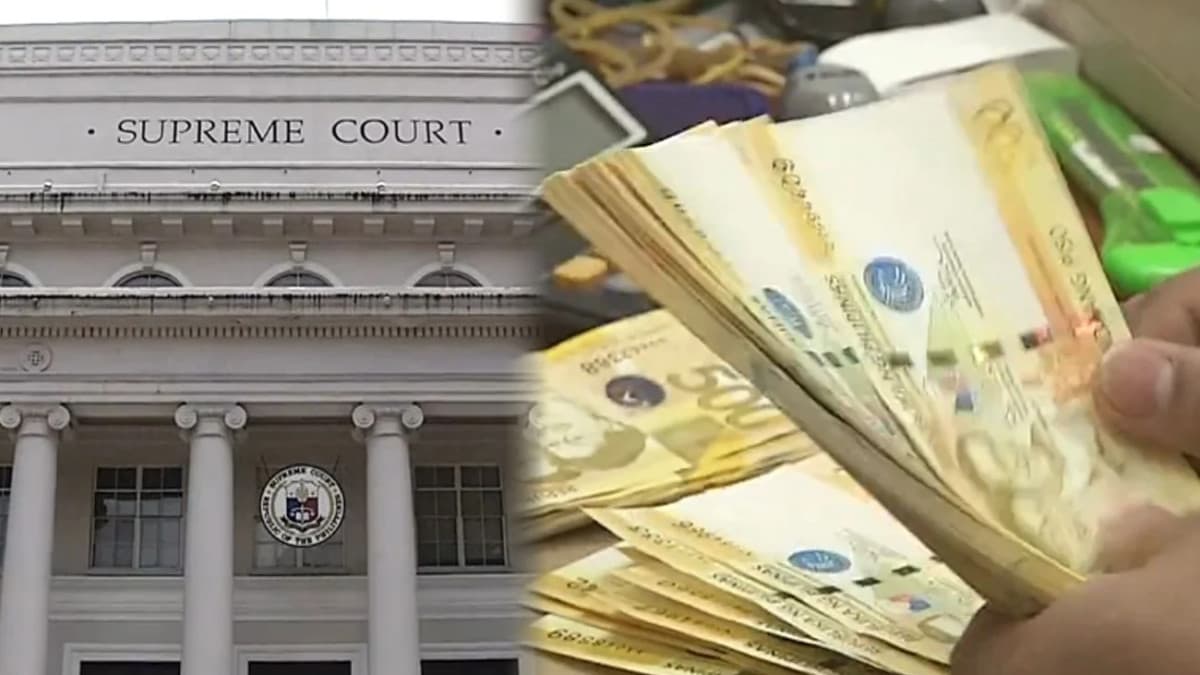
In a decision released on August 24, the Supreme Court's Third Division denied BDO Unibank's petition against depositor Cristina Barcellano, Newswatch Plus reported, holding that the bank's own actions caused its loss.
A regional check cleared four days too early
The case traces back to 2003, when Barcellano deposited a Land Bank regional check worth ₱151,200 at BDO's Lucena City branch. Under the bank's own procedures, a regional check — one drawn on a bank outside the clearing area — should clear in seven banking days. The teller, however, processed it as a local check, which clears in just three.
Believing the funds had cleared, Barcellano withdrew ₱76,000. The problem surfaced only when BDO received a stop-payment order on the check. The bank demanded the money back and, when she did not pay, pursued her in court — including an estafa (swindling) complaint. The trial court cleared her, the Court of Appeals agreed, and the Supreme Court has now settled the matter in her favor.
What the Court said
Writing for the Third Division, Associate Justice Japar Dimaampao emphasized that banking is a business of public trust, and that banks are required to exercise the highest degree of diligence in handling customers' transactions.
The Court rejected BDO's fallback arguments of unjust enrichment and solutio indebiti — the civil-law principle that money paid by mistake must be returned. Those doctrines, the ruling explained, cannot save a bank whose own gross negligence created the error. The Court counted three distinct lapses: BDO credited the check prematurely, misprocessed a regional check as a local one, and failed to discover its own mistake until the stop-payment order arrived. The bank also failed to establish that Barcellano knowingly received or kept money she was not entitled to. She did nothing wrong by relying on the bank's processes — the money was made available to her, and she withdrew it in good faith.
What this means for depositors
The ruling draws a clear line for ordinary account holders:
- Good-faith withdrawals are protected. If your bank credits funds and you withdraw them honestly believing they are yours, the bank carries the loss from its own error.
- Banks cannot pass their mistakes to customers. Gross negligence defeats a bank's claim for repayment, even under unjust-enrichment theories.
- The diligence bar for banks stays high. Because banking is imbued with public interest, courts hold banks to a stricter standard than ordinary businesses.
The decision does not give depositors a license to spend money they know is not theirs — good faith remains the operative test, and a depositor who knowingly exploits an obvious crediting error would be in a very different legal position. But for customers caught out by a bank's internal slip, as Barcellano was through more than two decades of litigation, the Supreme Court has made the allocation of blame unmistakable: the institution that made the error pays for it.
The ruling arrives at a moment when Philippine banking is racing toward automation — instant transfers, app-based onboarding, and AI-assisted account checks. The faster money moves on a bank's say-so, the more this precedent matters: it is the bank's systems, not the customer's vigilance, that the law expects to catch a mis-cleared check.