
Skip to content

Steam2 Teraleak: 12TB of Unreleased Valve Game Builds From 2003 to 2013 Leak Online

A 12TB archive of Valve game files from 2003 to 2013 has leaked online, exposing early Portal 2 builds, scrapped projects, and Half-Life 2: Episode 3 assets.

Argal
Argal
3 min read
Illustration for the report on the 12TB Steam2 Teraleak of Valve game files
The lead illustration from the report on the leaked 12-terabyte Steam2 archive. Photo: Engadget

A 12-terabyte archive of internal Valve files has surfaced online, and it may be the largest look into the company's development history ever made public. The leak, which the community has dubbed the "Steam2 Teraleak," covers roughly a decade of material from 2003 to 2013. It includes early builds and assets for some of the most famous PC games ever made, Engadget reported on August 30. Valve, the company that runs the Steam store, has not issued a public statement about the leak as of this writing.

What is inside the Steam2 Teraleak

Researchers who are cataloguing the files have already flagged a long list of notable content. Based on the reports so far, the archive holds:

  • Playable Portal 2 builds from as early as July 2009 — almost two years before the game shipped in April 2011.
  • Assets from F-Stop, a cancelled Portal prequel experiment in which players manipulated objects with a camera instead of a portal gun. Fans have heard about F-Stop for years, but almost nothing from it had been seen publicly.
  • References to Half-Life 2: Episode 3, the famously unreleased follow-up to Half-Life 2: Episode 2, according to Dexerto, including an experimental weapon called the "Weaponizer."
  • Early Counter-Strike: Global Offensive builds from the period when the game was still a heavily modified version of Counter-Strike: Source.
  • Left 4 Dead development files, plus material from other Valve titles such as Half-Life and Portal.
  • Third-party game content distributed through Steam in the same era, including beta content tied to Fallout: New Vegas and Sonic the Hedgehog 4: Episode II, along with files connected to Call of Duty and Civilization titles.

How 12TB of Valve files got out

This was not a hack in the usual sense. According to Valve dataminer Gabe Follower, whose verification both Engadget and Dexerto cite, the entire archive was obtained through a publicly accessible endpoint — a server location that anyone who knew the address could reach, with no password required.

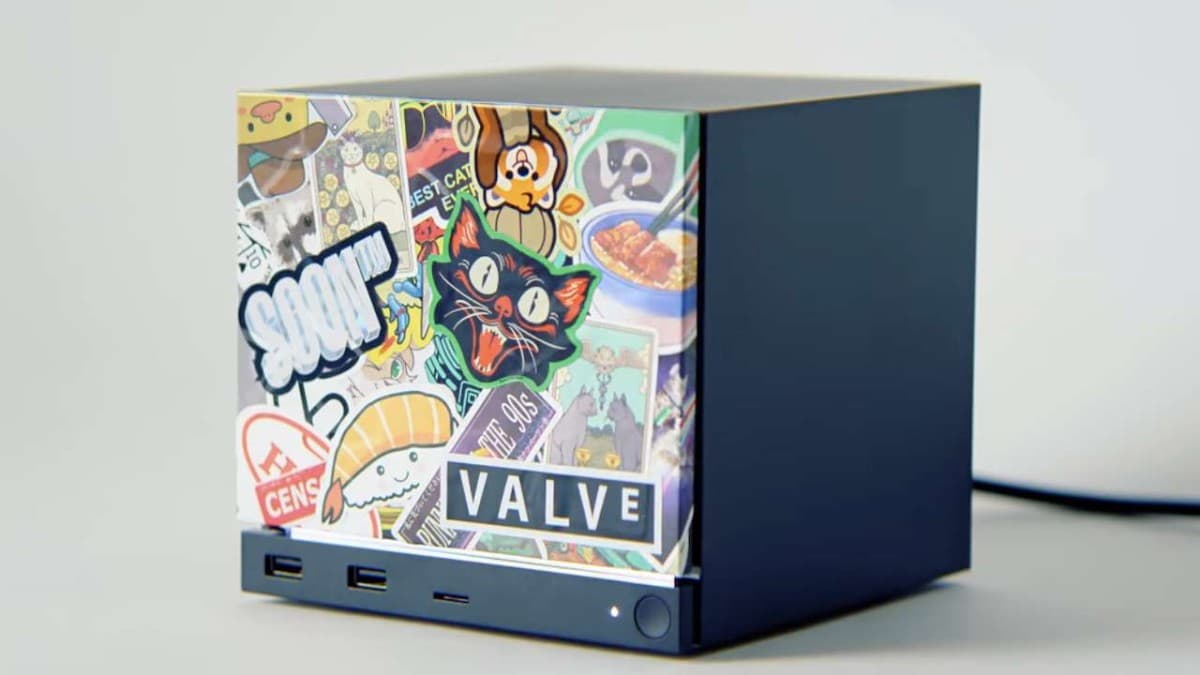
The files come from Steam2, Valve's legacy content delivery system. That system packaged game content in older formats before the company migrated to its modern SteamPipe infrastructure in 2013 — which is why the leaked material stops at that year. In plain terms: a decade of old development files sat in a forgotten corner of the internet, and someone finally found the door.

Is your Steam account at risk?

Based on what has been reported so far, no. Neither Engadget's nor Dexerto's reporting describes any user account, password, or payment information in the archive. The files are internal development material — game builds, assets, and source files — not customer data. That means Filipino Steam users do not need to rush to change passwords over this incident, based on current reports. No Philippine-specific advisory has been issued, and there is no local angle beyond the fact that Steam is one of the most widely used PC gaming platforms in the country.

That said, Valve has stayed silent so far, so the full picture could still change. Engadget said it asked the company for comment and had not received a response at publication time.

A decade of gaming history, preserved by accident

For game historians, the Teraleak is a bittersweet event. Cancelled projects like F-Stop and the long-mourned Half-Life 2: Episode 3 are pieces of gaming history that Valve never showed the public, and the archive gives researchers their first real look at how these games evolved. At the same time, the material is still Valve's copyrighted property that was never meant to be released, and downloading leaked files carries its own legal and security risks. How Valve responds — takedowns, silence, or something else — will decide how long this window into its past stays open.

Argal

Argal

@clurky

Clurky is a Philippine tech news site owned and run by Argal, a Philippines-born software developer based in Singapore with a Computer Science background. He covers Philippine tech, fintech, and digital services - from gadgets and AI to software and security - along with evergreen guides and explainers, all with a builder's eye for how these systems actually work. Every article is fact-checked against primary sources.

305 posts

Comments

Join the conversation

Sign in to leave a comment and reply to others.

Sign in
Loading comments...