The Pax Silica AI hub in the Philippines is moving faster than most government projects, with Manila and Washington now racing to sign a framework deal before the end of 2026. The plan centers on a 4,000-acre industrial zone in New Clark City, Tarlac, meant to make chips, electronics, and other goods for United States supply chains. Finance Secretary Frederick Go says the United States has placed the project at the top of its economic priorities with the Philippines.
Key Takeaways
- The Philippines and the United States want to sign a Pax Silica framework agreement within 2026.
- The hub covers about 4,000 acres (roughly 1,619 hectares) in New Clark City, Capas, Tarlac.
- Taiwanese manufacturing giant Foxconn is doing due diligence as a possible first anchor locator.
- First-phase construction is targeted for 2028, with officials promising "hundreds of thousands" of jobs.
What is the Pax Silica AI hub?
Pax Silica is a United States-led coalition, launched in December 2025, that wants to secure supply chains for semiconductors, artificial intelligence (AI) infrastructure, advanced manufacturing, and critical minerals — the raw materials and parts needed to build modern electronics. The Philippines signed on in April 2026 as the coalition's 13th member, joining countries such as Japan, South Korea, India, Singapore, the United Kingdom, and the United Arab Emirates. The partnership has since grown to more than 20 nations.
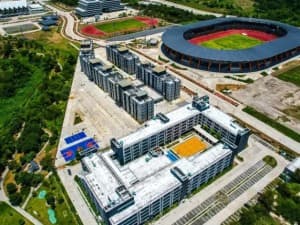
At the same time, the two allies announced plans for a 4,000-acre industrial zone in the Luzon Economic Corridor. The Philippines is offering the land — about 1,619 hectares inside New Clark City in Capas, Tarlac, roughly 100 kilometers north of Manila — as an "Economic Security Zone." The State Department describes it as an "investment acceleration hub": a purpose-built site for allied manufacturing where the exact industries can shift based on market demand.
Why the deal is moving fast now
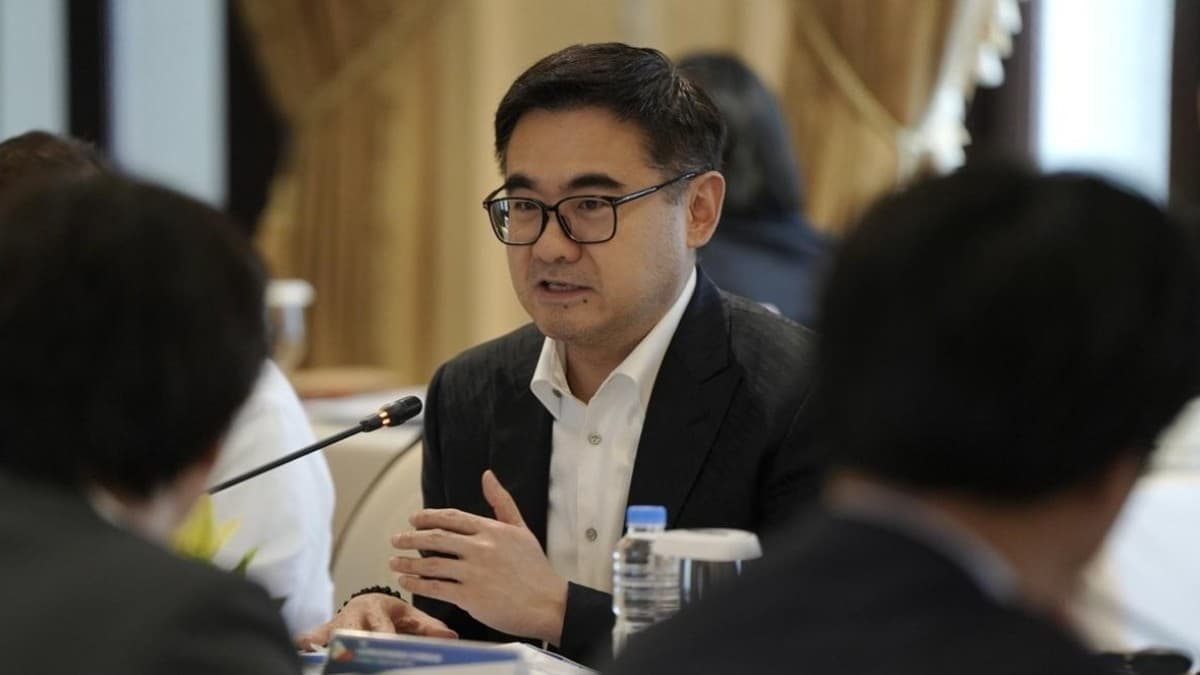
In early July, Finance Secretary Frederick Go said the United States had put its Pax Silica work in the Philippines at the top of its economic priority list, based on his talks with US Ambassador Lee Lipton. "If we're going to do this, we might as well do it as fast as possible," Go said, as reported by the Inquirer, adding that he hopes to sign the framework agreement within the year. He has called it a "generational type of project."
Officials are targeting 2028 for the start of first-phase construction. Go said the project could bring billions of dollars in investment and create "hundreds of thousands" of jobs for Filipinos as the country tries to become a base for AI and chip manufacturing.
Foxconn and the investors being courted
The clearest sign of real interest comes from Foxconn, the Taiwanese electronics giant that assembles a large share of the world's smartphones and servers. Foxconn has been identified as the hub's first prospective tenant and is running due diligence on the New Clark City site. Electronics component manufacturing has been flagged as a priority activity, and the Bases Conversion and Development Authority (BCDA) — the state agency that owns New Clark City — is acting as the landlord.
This fits a wider global shift. Large technology firms and allied governments are trying to move chip and hardware production away from a heavy reliance on China. That is the same reasoning behind moves like the US push to make more chips at home and the race to build advanced AI chips.
The sovereignty flashpoint
The project is not without friction. Earlier this year, the Philippines rejected a United States request to place the zone under American law and to grant diplomatic immunity to US personnel. BCDA president and chief executive Joshua Bingcang said there would be "no special arrangement" — the hub will stay under Philippine law, the South China Morning Post reported. The country's largest business group, the Philippine Chamber of Commerce and Industry, backed that decision, while left-leaning lawmakers criticized the wider plan as a threat to sovereignty. A senior US State Department official later said reports about the immunity request had been taken out of context.
What this means for Filipinos
For now, the hub is a promise, not a finished deal. Nothing has been signed, and the biggest gains — factory jobs, worker training, and a place in the global chip supply chain — depend on the framework agreement and on anchor investors like Foxconn actually committing. If it works, the wider Luzon Economic Corridor could generate around US$100 billion (about ₱6.16 trillion) for the economy over time, according to the South China Morning Post. If it stalls, the land in Tarlac stays a plan on paper. The clearest milestone to watch is whether the framework deal is signed before the end of 2026, as officials keep promising.
FAQ
When will the Pax Silica deal be signed?
Philippine officials are aiming to sign the framework agreement within 2026, though no exact date has been set. First-phase construction is targeted for 2028.
Where is the Pax Silica AI hub located?
It will sit on about 4,000 acres (roughly 1,619 hectares) inside New Clark City in Capas, Tarlac, around 100 kilometers north of Manila.
Is the United States getting special legal treatment at the hub?
No. The Philippines rejected the US request for diplomatic immunity and US jurisdiction. Officials say the zone will operate under Philippine law.