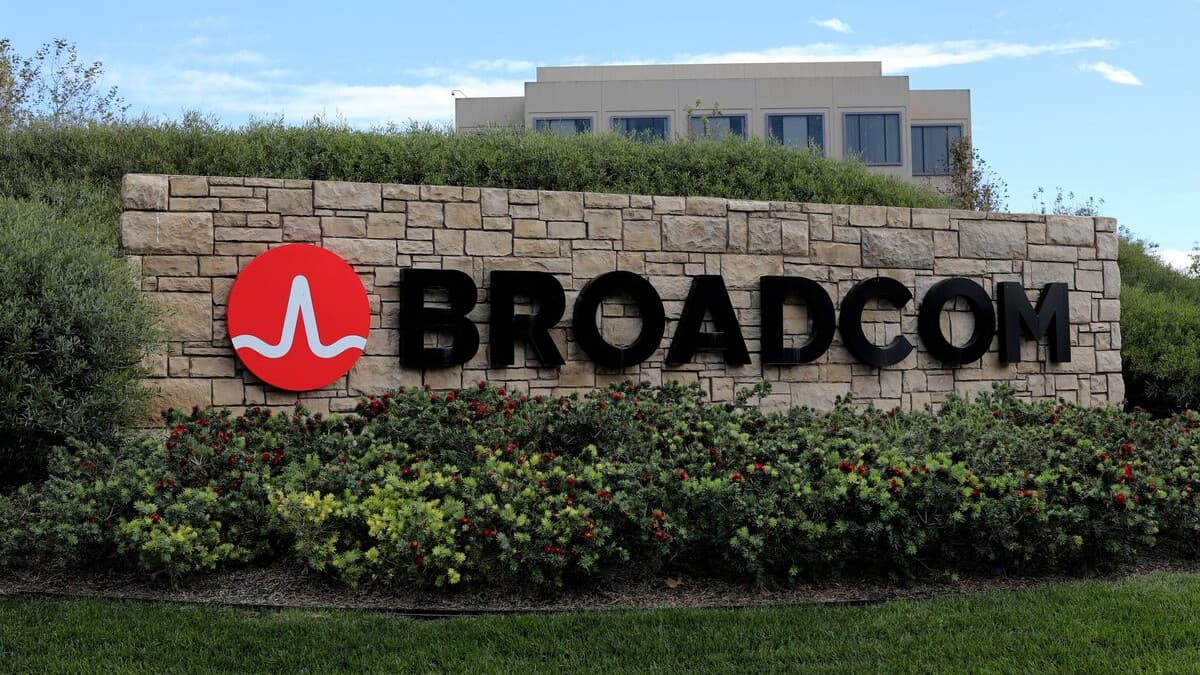
Apple will spend more than $30 billion (around ₱1.85 trillion) with chip supplier Broadcom to build custom silicon in the United States through 2031, the company confirmed on July 8, 2026. Apple describes it as the single largest commitment under its American Manufacturing Program, and the agreement is expected to produce more than 15 billion US-made chips.
Key Takeaways
- Apple committed over $30 billion (around ₱1.85 trillion) to Broadcom for custom chips, with contracts running through 2031.
- The deal should yield more than 15 billion chips made in the United States.
- Broadcom will invest $1.5 billion (around ₱92 billion) to expand and modernize its plant in Fort Collins, Colorado.
- It is the biggest single piece of Apple's $600 billion (around ₱36.9 trillion) four-year US investment plan.
- The chips are radio frequency (RF) parts — the components that handle wireless signals — used across Apple products.
What the Apple-Broadcom deal covers
The agreement is not about the main processor inside an iPhone. Instead, it covers custom radio frequency components and wireless connectivity technology. RF parts are the small chips that let a device send and receive signals for cellular, Wi-Fi, and Bluetooth. One example named is the FBAR filter (a film bulk acoustic resonator), a tiny filter that keeps radio signals clean so calls and data connections stay stable.
Broadcom has filed updated long-term supply agreements confirming it will develop and supply these custom chips for Apple through 2031. The parts are meant for several future generations of Apple devices, so the deal locks in a key part of Apple's supply chain for years.
The Fort Collins expansion
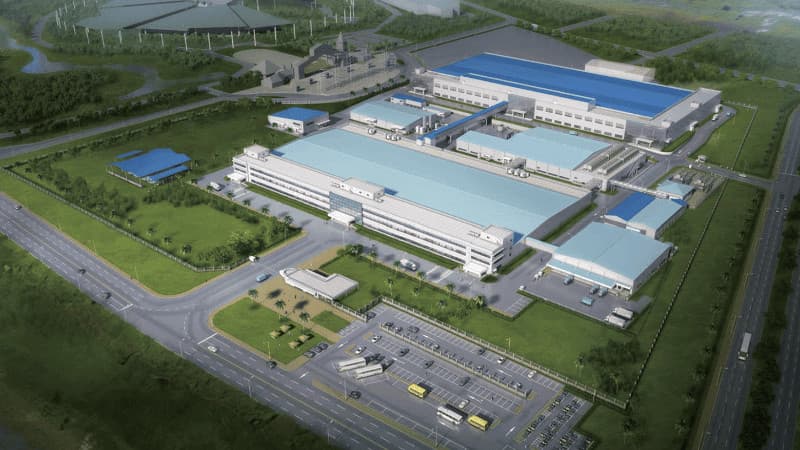
As part of the commitment, Broadcom will spend $1.5 billion (around ₱92 billion) to expand and modernize its manufacturing site in Fort Collins, Colorado. That plant will build the advanced RF components at the center of the deal. The investment is meant to grow Broadcom's US manufacturing footprint and support the higher production volume Apple is asking for.
What Apple and Broadcom said
Apple chief executive Tim Cook framed the parts as central to how its devices perform. "The cutting-edge components built in Fort Collins are essential to delivering the incredible performance and connectivity our customers expect," he said.
Broadcom president and chief executive Hock Tan pointed to the expansion of the Colorado site. "With Apple's newest commitment, we're pleased to expand our manufacturing footprint in Fort Collins, where we create groundbreaking technology," he said.
How it fits Apple's US manufacturing plan
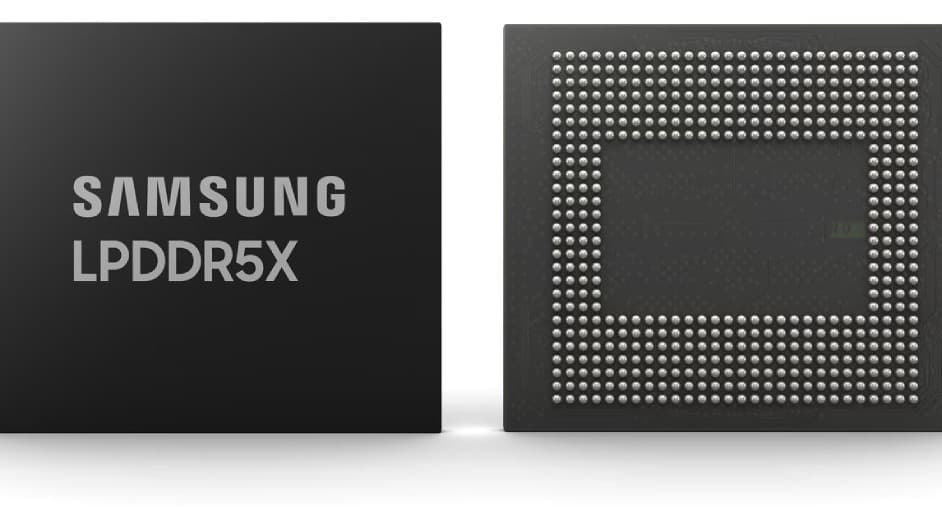
The deal is the largest commitment so far under Apple's American Manufacturing Program, and the biggest single piece of the company's broader plan to invest $600 billion (around ₱36.9 trillion) in the United States over four years, first announced in 2025. It also confirms earlier reports from July 6 that Broadcom had filed new multi-year contracts with US regulators to supply custom chips to Apple. This follows a wider industry push to source more components at home, similar to Apple's separate move to buy memory chips through its US supply plans.
Why It Matters
Apple is treating US chip supply as a long-term strategic priority, not a one-time announcement. Locking in RF parts through 2031 gives it more control over a component that is easy to overlook but hard to replace. For buyers in the Philippines, this deal does not change local prices on its own — Apple sets Philippine pricing separately, and the country has already seen higher local prices on MacBooks and iPads. But a steadier, more predictable supply chain can help keep future product launches on schedule, including devices sold here. It also puts Apple alongside other large firms racing to secure chip capacity, echoing moves like Samsung's reported talks to build advanced AI chips for other tech companies.