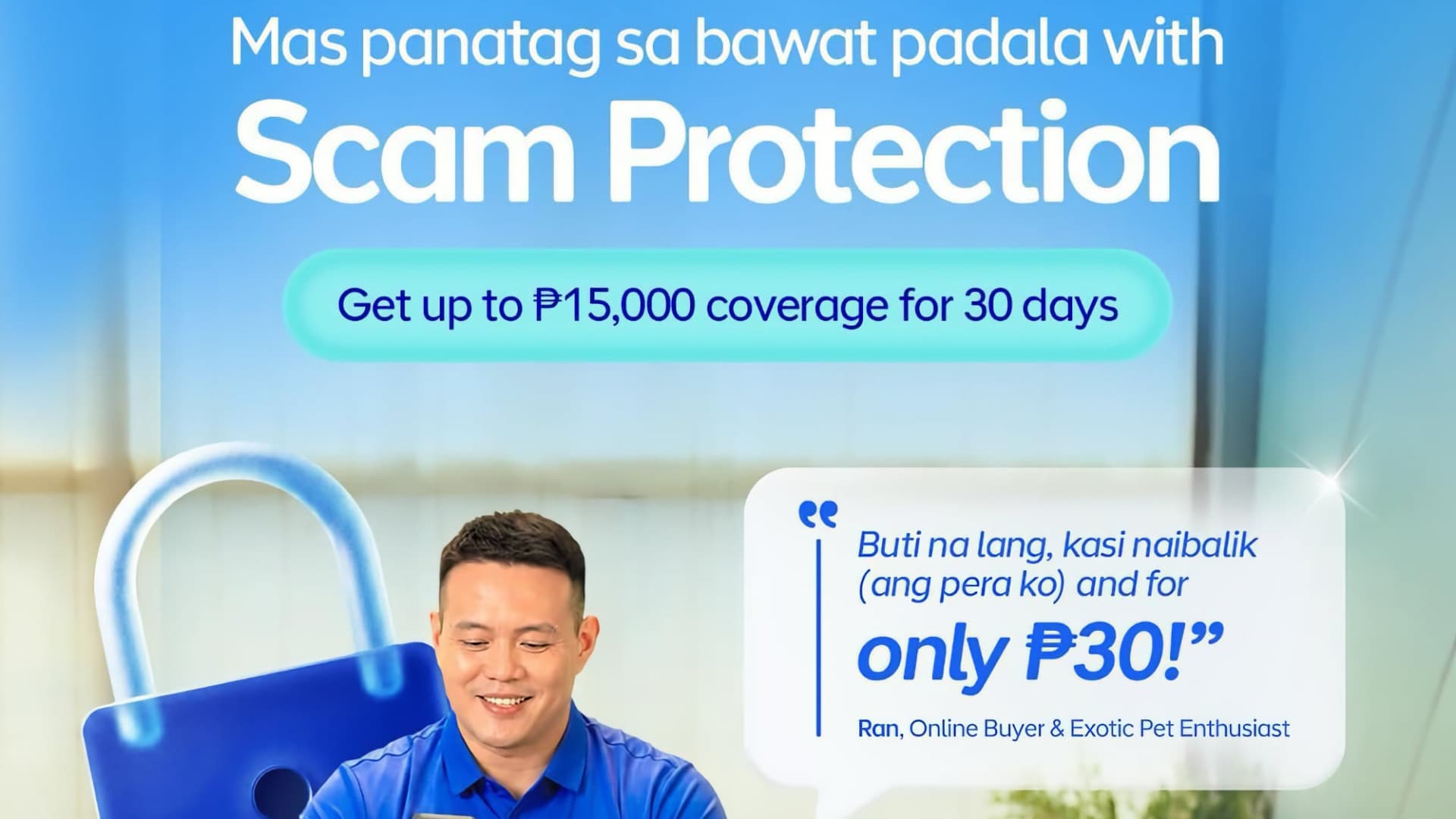
GCash has issued a fresh warning about digital scams in the Philippines — and paired it with a low-cost safety net. Phishing and smishing, the fake emails, websites, and text messages that trick people into giving up account details, now account for more than 80% of reported digital fraud cases in the country. Alongside the warning, the e-wallet operator is highlighting GInsure Scam Protection, an in-app insurance policy that covers up to ₱15,000 in scam losses for a one-time payment of ₱30.
Why GCash is sounding the alarm
The numbers behind the warning are stark. A recent report from Gogolook, the company behind the Whoscall caller-ID app, found that malicious link attacks nearly quadrupled in 2025, with scammers posing as trusted institutions to fool their targets.
"Scammers are constantly evolving their tactics, which means our security measures must stay several moves ahead," said Joel Geronimo, Chief Information Security Officer at G-Xchange Inc., the operator of GCash. "By building proactive safeguards directly into the app, we ensure that our platform remains a trusted partner of Filipinos in their financial journey."
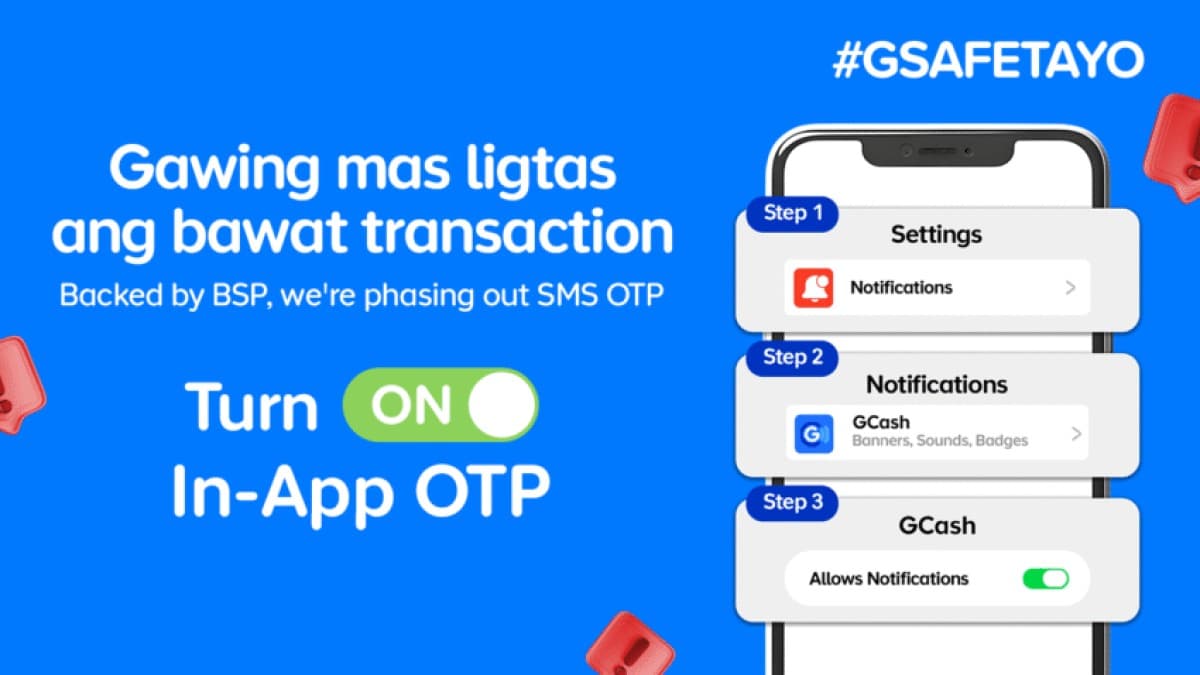
GCash says it keeps reinforcing its own defenses — biometric login, multi-factor authentication (an extra identity check beyond the password), and one-time passwords (OTPs) delivered inside the app rather than by text. The company also backs the Anti-Financial Account Scamming Act, or AFASA (Republic Act No. 12010), which tightens coordination among financial institutions, the Bangko Sentral ng Pilipinas, and law enforcement. It is a similar push to the BSP's draft rule requiring national ID verification at banks and e-wallets.
The four scam tactics GCash says to watch for
The announcement lists the most common tricks used against Filipino e-wallet users:
- Hacking via links. A message claims there is an account problem and asks you to log in through a link. The red flag: being sent outside the GCash app to enter a password, MPIN, or OTP.
- Reward scams. Fake refunds, prizes, or "expiring points" sent from spoofed numbers, with pressure words like "last chance" or "verify now."
- Phishing. Messages posing as a trusted brand that ask for OTPs, MPINs, or passwords. GCash does not request this information over SMS or calls.
- Imposter scams. A fraudster poses as a friend or relative with a fabricated emergency — a hospital bill, legal trouble, a travel crisis — to pressure you into sending money before you can verify who they are.
Geronimo's rule of thumb is blunt: "Basta may link, problema 'yan. Remember, GCash will never ask you to click a link or give your personal information over an SMS message."
How the ₱30 GInsure Scam Protection works
The insurance is sold inside the GCash app through its GInsure platform and is underwritten by Chubb Philippines (Insurance Company of North America, Philippine Branch). The basics:
| Detail | Coverage |
|---|
| Premium | ₱30, one-time payment |
| Coverage period | 30 days |
| Maximum benefit | ₱15,000 total |
| Underwriter | Chubb Philippines |
The policy covers unauthorized transactions caused by hacking, phishing, spoofing, and similar schemes — including fraudulent fund transfers through Send Money or bank transfer, and unauthorized purchases on supported platforms such as Lazada, Shopee, and the Play Store, subject to policy terms.
According to GCash's official product page, its Express Send scam cover pays out for three benefit types: social engineering, account takeover, and online shopping fraud. Enrollment is offered while making a Send Money transfer, the premium is deducted straight from your wallet balance, and you can hold only one active cover every 30 calendar days.
What the policy does not cover
The fine print matters. GCash's own policy FAQ lists several exclusions worth knowing before you rely on the cover:
- Transactions you did not make that required an OTP to proceed — a significant caveat, since many Philippine scams work precisely by talking victims into handing over their OTP
- Advance-fee fraud, where you are promised goods or winnings in exchange for an upfront payment
- Unauthorized transactions reported more than two weeks after they happened
- Online purchases paid in cryptocurrency, vouchers, or reward points
- Goods bought from a private individual rather than a merchant
- Business accounts and work-related transactions
Filing a claim and reporting scams
Claims can be filed through the Chubb online claims portal or from the My GInsure tab in the GCash app. Once complete documents are submitted, Chubb says a claim number arrives by email within 48 hours.
Scam attempts can be reported through the in-app Help Center, the Gigi chat support feature, or the GCash hotline at 2882. Incidents can also be escalated to the Philippine National Police Anti-Cybercrime Group at acg@pnp.gov.ph.
Is ₱30 worth it?
For the price of a sachet of coffee a month, a ₱15,000 buffer is cheap insurance for anyone who moves money through GCash regularly. But the OTP exclusion means the policy will not save you from the most common trap of all — being sweet-talked into reading your code to a scammer. As Geronimo put it, "scam insurance is not a substitute for careful handling of your account." Pair the cover with basic hygiene: never tap links in texts, and consider running suspicious messages through a checker like the free Filipino-built scam message checker we covered recently.