Key Takeaways
- DSWD's UPLIFT program gives ₱2,000 a month to 2.5 million poor and near-poor households identified through the 2024 Community-Based Monitoring System (CBMS)
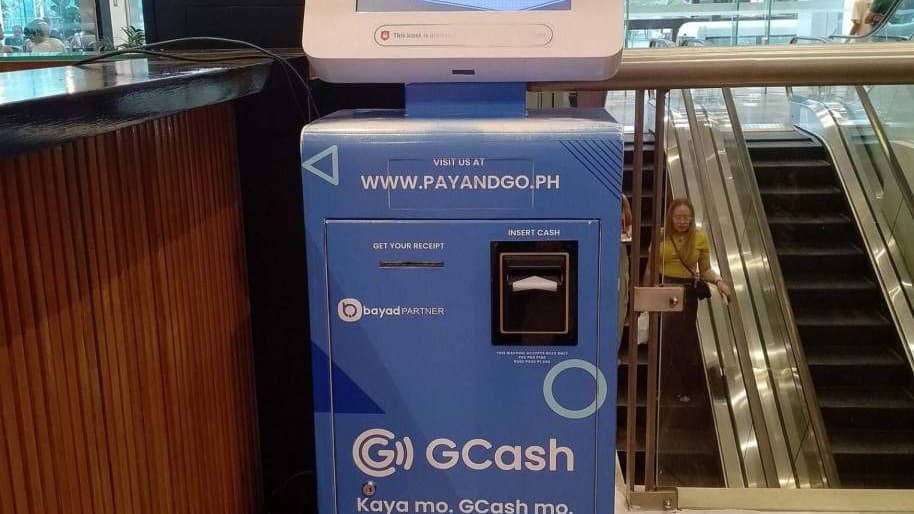
- After a manual first payout in July, the August-to-December tranches are being paid digitally through GCash or LandBank accounts linked via the eGovPH app
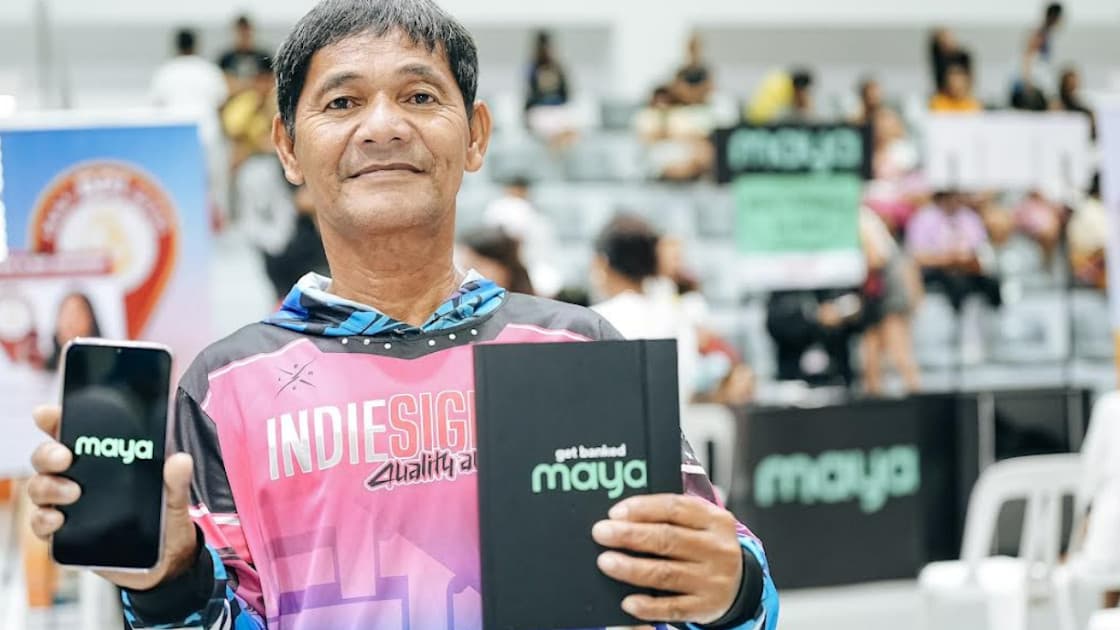
- Maya formalized its support on August 26, fielding on-ground teams in Navotas and Quezon City to help beneficiaries open and verify accounts
- The shift is one of the country's largest single pushes of unbanked Filipinos into e-wallets and formal banking
The Department of Social Welfare and Development (DSWD) is moving one of its biggest cash assistance programs off manual queues and onto phones — and the country's two largest e-wallet rivals are now both involved.
What is UPLIFT and who gets it?
UPLIFT provides ₱2,000 in monthly assistance to about 2.5 million poor, near-poor, and low-income households identified through the 2024 Community-Based Monitoring System, running from July through December 2026. DSWD's advisory explains the sequencing: July's payout was handed over manually at designated venues, precisely so field staff could collect each household's chosen digital account details for the succeeding months.
DSWD Secretary Rex Gatchalian has explained the manual first round as a data-gathering step — the department had no record of beneficiaries' e-wallet accounts, so it collected them at the first payout to enable direct deposits from August onward. Beneficiaries were told to prepare their eGovPH app accounts, plus either GCash details or a LandBank ATM card or passbook, before showing up. DSWD personnel are stationed at payout sites to help with enrollment and verification.
What changed this week?
Maya formally joined the effort. In a statement carried by Context.ph on August 26, the fintech said it deployed on-ground teams in Navotas City and Quezon City to help eligible beneficiaries create and verify accounts ahead of upcoming digital disbursements — adding a third payout channel alongside GCash and LandBank.
"For us, the opportunity goes beyond digitizing the payout," said Angelo Madrid, president of Maya Bank. "When people have access to a digital financial account, they can also start using other services that can help them save, make payments and manage their money better."
Beneficiaries who pick Maya also get access to payments, savings, and credit products through Maya Bank — turning a five-month aid program into an on-ramp to formal banking.
Why this is a bigger deal than one payout
Forcing a payment channel decision on 2.5 million of the country's poorest households is, in practice, one of the largest financial-inclusion pushes the Philippines has attempted. It aligns with the Bangko Sentral ng Pilipinas' strategy of using government cash transfers to pull unbanked Filipinos into the formal system — the same policy current running through the BSP draft rule requiring National ID verification at banks, GCash, and Maya.
The friction points are real, though. The digital route assumes a working smartphone, a verified eGovPH account, and enough connectivity to complete e-wallet registration — none of which can be taken for granted in the poorest households the program targets. That is exactly why DSWD kept staff at payout sites and why Maya and GCash are running on-ground assistance instead of waiting for sign-ups. For its part, Maya has been investing in faster onboarding, having cut account-opening time by 84 percent using the National ID's eVerify system.
If the August-to-December run works, expect digital-first payouts to become the default template for Philippine social protection programs — and expect the e-wallet war between GCash and Maya to be fought partly over who banks the country's newest account holders.