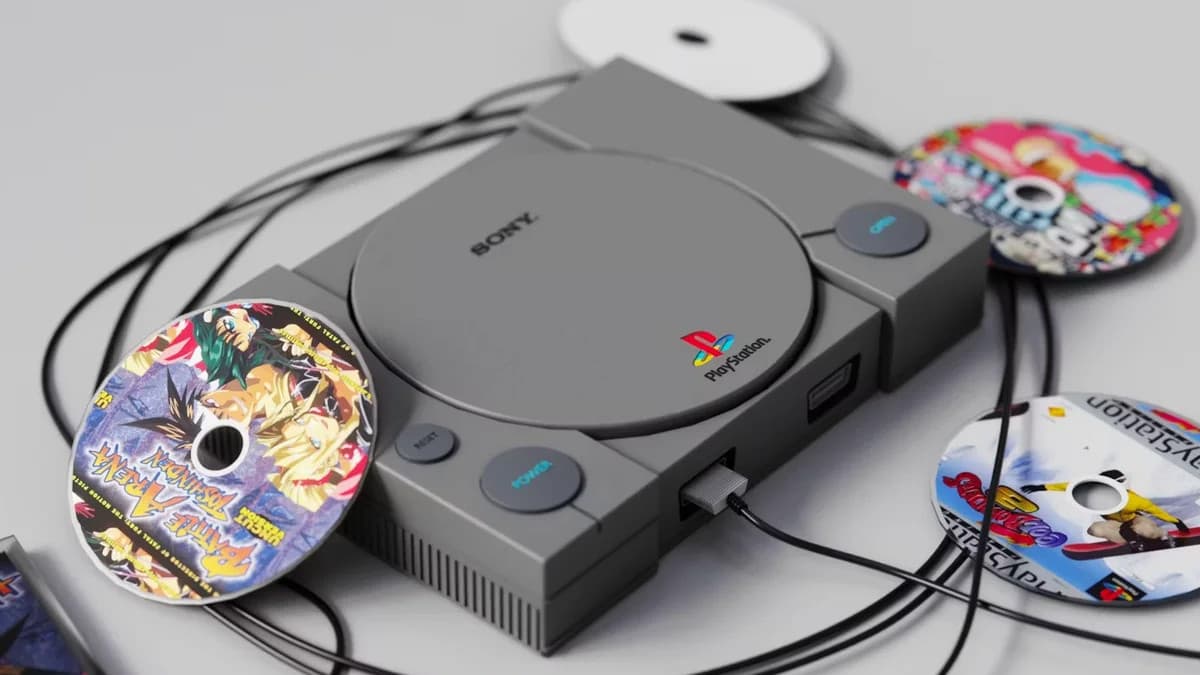
Sony has told investors it is not reversing its plan to stop manufacturing PlayStation game discs from January 2028, despite a petition with more than 350,000 signatures and an organised player boycott. Chief financial officer Lin Tao addressed the backlash directly on the company's first-quarter earnings call on July 31.
What Sony's CFO actually said
Tao acknowledged the reaction without conceding anything. "We announced that from January 2028 onwards we will no longer be manufacturing game discs, so [we announced it] one and a half years ahead," she said, framing the long notice period as the accommodation itself. On the anger from players, she added: "We understand those emotions."
Her operative phrase was that Sony would "cautiously move this forward" — reported in full by Video Games Chronicle. Cautious, in this context, means slowly and with warning. It does not mean reconsidering.
One clarification is worth holding onto: the cutoff applies to new discs pressed for titles released from January 2028 onward. Games released before that date are not affected, and existing discs keep working.
The numbers behind the decision
Tao pointed to the continued digitalisation of entertainment as the main driver, arguing the shift is not unique to PlayStation and shows up across media generally.
Sony's own quarterly figures make the commercial case hard to argue with. Digital software sales came in at roughly $1.2 billion (around ₱73.5 billion) against about $128 million (around ₱7.8 billion) from discs — more than nine times larger. Sony has said it recorded no business impact from the announcement and does not expect ending new disc production to hurt future results.
How players are pushing back
The response has been unusually organised for a hardware policy change:
- A boycott campaign under the tag #PSBlackout is asking players to keep their consoles switched off for a week in August.
- A petition opposing the decision has passed 350,000 signatures.
- Developers have spoken up too. Guillaume Broche, chief financial officer at Sandfall Interactive, called the move "super sad," arguing that a physical product is part of what makes a game feel owned rather than licensed.
Retailers are already adapting. In some regions Sony has begun supplying boxes containing download codes in place of discs — the shelf presence without the media.
What Filipino players stand to lose
This is where the change lands hardest locally, and it has little to do with nostalgia.
Secondhand discs are a real part of how games get played in the Philippines. A disc can be resold, lent, traded in, or bought used at a fraction of launch price — which is how a lot of players here afford full-price titles at all. A digital licence does none of that. Unlike Steam or Nintendo's family setups, PlayStation does not let you share digital purchases with friends or family, so a household that once passed one disc around now needs separate copies.
There is a bandwidth cost as well. Modern PlayStation titles routinely run to dozens of gigabytes, and an all-digital library means every game, patch and reinstall arrives over a home connection — a heavier ask outside fibre-served cities than the download-anything assumption behind this policy. Storage is the third squeeze: with disc installs gone as an option, expanding console SSD space stops being optional, and those drives remain expensive and thinly stocked.
Console economics here are already tightening — Xbox has raised its console prices again this August, and the industry's broader push toward libraries you access rather than own shows up in moves like Xbox extending backward compatibility to PC and handhelds. Sony's timeline gives players about 18 months to decide what they want to own outright before the option quietly closes.