The Bangko Sentral ng Pilipinas has switched on three new payment rails at once — and the one most likely to change how a Filipino business operates is a single number. InstaPay for Business now moves up to ₱500,000 per transaction, a tenfold jump from the old ₱50,000 ceiling.
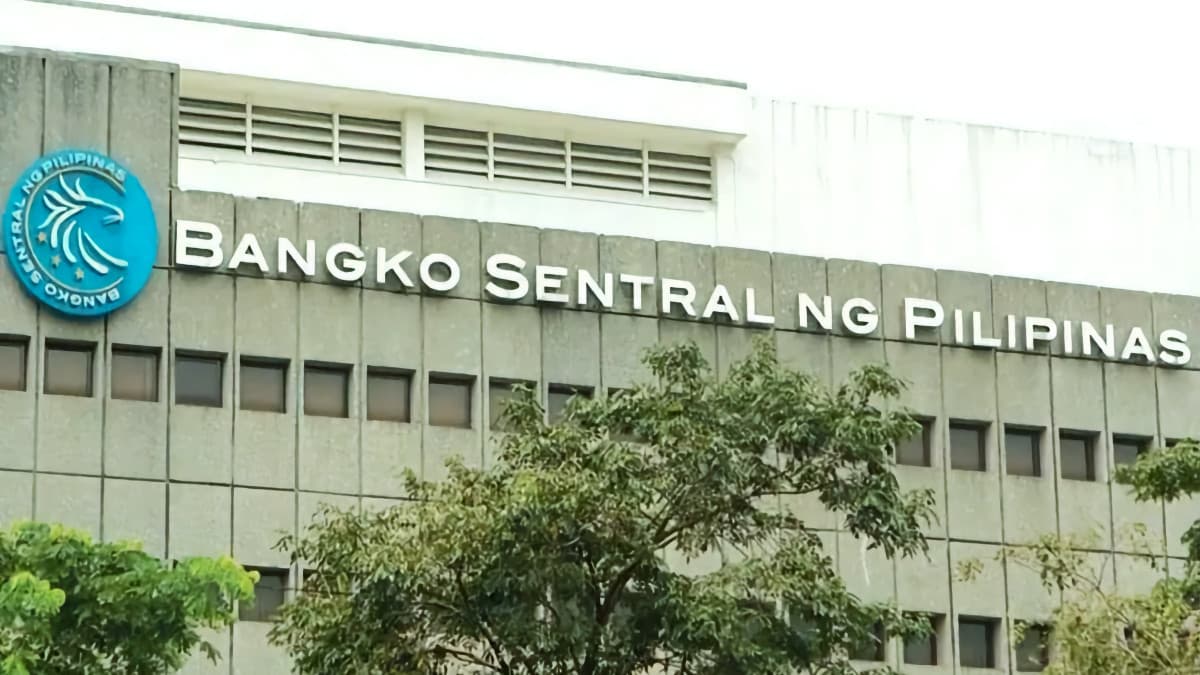
The BSP and Philippine Payments Management, Inc. (PPMI) launched Direct Debit PH, InstaPay Cash-In, and InstaPay for Business at a ceremony at the BSP head office on July 29, newsbytes.ph reported. The regulator also used the occasion to clarify how the country's QR codes are labelled.
The three new services
Each one targets a different gap in the national retail payment system.
| Service | What it does | Who it is for |
|---|
| Direct Debit PH | Lets a biller automatically collect a payment from your bank account or e-wallet on the due date | Anyone paying utilities, subscriptions, loans, or insurance premiums |
| InstaPay Cash-In | Lets you send a request for funds to another person, who approves and transfers from their own account | Individuals topping up wallets or splitting costs |
| InstaPay for Business | Raises the real-time transfer ceiling from ₱50,000 to ₱500,000 per transaction | Registered businesses handling payroll, claims, and vendor payments |
Direct Debit PH is the structural one. Automatic bill payment already exists in the Philippines, but it has largely been locked inside each bank's own ecosystem — your Meralco autopay works only if you bank where the arrangement was set up. An interoperable direct debit means the authorization can cross institutions, and the BSP says the service carries no system-wide transaction ceiling.
InstaPay Cash-In removes an app-switching step. Instead of leaving your e-wallet, opening a banking app, and pushing money across, you fund the wallet from your own account without hopping between apps. The initial participants named at launch were AllBank, BPI, Chinabank, GoTyme Bank, GCash, MariBank, ShopeePay, and UnionBank.
InstaPay for Business is the headline for small and medium enterprises. Under the old ₱50,000 cap, a payroll run or a large supplier payment had to be split into several transfers or pushed onto slower rails. At ₱500,000 per transaction, and available around the clock, a lot of that workaround disappears.
What "One QR Ph" actually changed
Alongside the launch, the BSP reiterated the split between the country's two QR standards — a distinction that has confused a lot of users and merchants.
- QR Ph handles person-to-merchant payments. The merchant covers the service charge.
- InstaPay QR handles person-to-person transfers, where a fee may apply depending on the account you use.
The point of separating the labels is practical: people were scanning personal-transfer QR codes to pay merchants and getting charged fees they did not expect. The rebrand did not change the underlying technical standard or break interoperability — the codes still work across banks and e-wallets including GCash and Maya, as GIZGUIDE noted.
What the BSP said
BSP Governor Eli M. Remolona, Jr. tied the launch to financial inclusion rather than transaction volume. "Interoperability and lower fees do more than lift transactions," he said, arguing that the effect is to bring more people into the formal digital economy.
Deputy Governor Mamerto E. Tangonan put it in terms of coverage: "This launch reaffirms the BSP's commitment to build a payment system for every Filipino."
What it means for your business and your bills
For a small business owner, the ₱500,000 ceiling is the change to act on now. Check with your bank whether your account is registered under InstaPay for Business — the higher limit applies to registered businesses, not to every account by default. If you have been splitting payroll into multiple ₱50,000 transfers, that is the workflow to revisit first.
For consumers, Direct Debit PH is worth watching but not rushing. An automatic collection mandate is convenient until a biller charges the wrong amount, so the question to ask your bank or wallet is how you cancel or dispute a mandate — the launch materials describe the collection side in more detail than the cancellation side.
The wider context is that the Philippines has been pushing digital payments hard on several fronts at once, from transit fares to the ASEAN cross-border payments agenda discussed at the Manila Tech Summit. Rails like these are the unglamorous part of that work — but they are the part that decides whether a merchant in a province can actually get paid the same day.