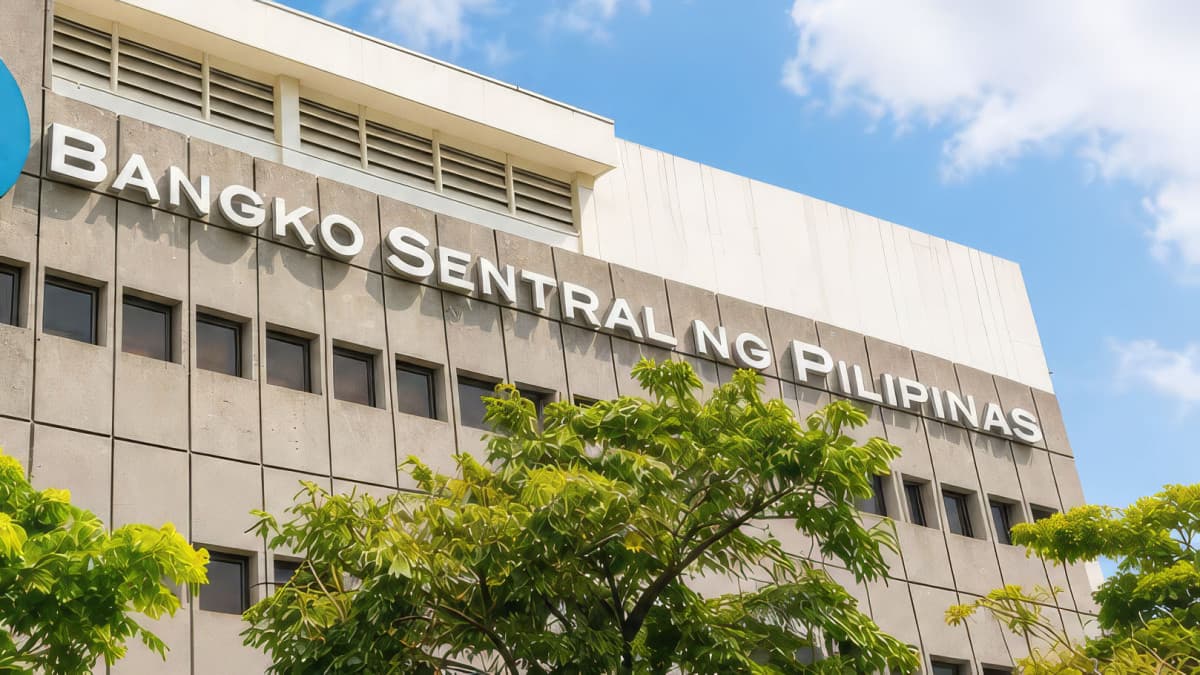
The Bangko Sentral ng Pilipinas has clarified that Circular No. 1238 sets a cost-based fair pricing rule for electronic fund transfers, not a mandate to make them free. The clarification lands after weeks of confusion among Filipino account holders who expected every InstaPay and PESONet transfer to fall to zero.
What the BSP clarified about Circular 1238
The central bank said banks, e-money issuers and payment service providers are not required to remove transfer fees in order to comply with the circular. It also said charges on "off-us" person-to-person transfers are not limited to the switch cost alone. An off-us transfer is money you send from your account at one institution to an account at another. The switch cost is the small technical fee paid to the network that routes that transfer between the two institutions, and it sits at roughly ₱1.50 per transaction.
Just as important, the BSP said the circular should not be read as a strict formula. A provider can price above bare network cost, as long as the price is grounded in what the service actually costs to run.
That is a narrower reading than the one that spread when banks began waiving InstaPay fees as the circular took effect. Free transfers were the market's response to the rule, not the rule itself.
Why the fintech industry pushed back
FinTech Alliance PH, the country's largest fintech industry association, welcomed the clarification. "Following constructive dialogue between the BSP Monetary Board Members and the FinTech Alliance PH, it is now clear that Circular No. 1238 is a cost-based fair pricing guideline, not a zero-based mandate," said founding chairman Lito Villanueva, in a statement reported by BitPinas.
Villanueva added that affordability "must go hand in hand with safe, reliable, and sustainable digital financial services." The group says its 170-plus members handle about 95 percent of retail digital financial transaction volume in the country.
The industry argument is simple. A transfer rail costs money to run: fraud monitoring, cybersecurity, customer support, settlement, and the infrastructure that keeps a transfer instant at 2 a.m. on a holiday. Price every transfer at zero and that spending has to be funded from somewhere else, usually from other products or from investors.
Where the fees actually stand today
The market has already split into two camps.
Both camps are compliant under the clarified reading. That is the practical point: the ₱10 wallet fee is not a loophole, and the ₱0 bank transfer is not the legal minimum.
What it means for your money
Do not expect a blanket ₱0 across every app. If your salary account sits at a bank that has waived fees, the cheapest route for a large transfer is to send from the bank app rather than from a wallet. Over a year, a household making four ₱10 wallet transfers a month is paying ₱480 that the same transfers would not cost from a fee-free bank.
If you move money mostly inside one app, nothing changes for you at all, since on-us transfers were never the target.
There is a second-order effect worth naming. A rule that forced every provider to zero would have squeezed smaller players hardest, and those are frequently the ones serving unbanked Filipinos in areas the large banks do not reach. The BSP's position is that fair pricing and financial inclusion are meant to work together rather than trade off against each other.
What to watch next
No revised fee schedule has been published, and no provider has announced a change on the back of the clarification. The realistic near-term pressure is competitive rather than regulatory. If enough banks keep transfers free, wallet users will keep noticing the ₱10 gap, and the wallets will have to decide whether to match it or defend it.