OpenAI's compute buildout has reached Southeast Asia — and it landed in Malaysia, not the Philippines.
On September 8, Australian AI infrastructure firm Firmus Technologies announced a multi-year deal that makes OpenAI the anchor customer of two of its "AI Factory" sites in Malaysia. Unite.AI reports that the agreement pushes Firmus past 900 megawatts (MW) of contracted capacity across its customers, spread over a seven-site portfolio in Australia, Singapore, Indonesia, and Malaysia. Two of those sites are already operational; the other five, including the Malaysian facilities, are targeted to come online within 24 months.
"These new data centers in Malaysia will help us serve growing demand for OpenAI's products across the region," said Sachin Katti, OpenAI's compute strategy lead, in the announcement. Firmus co-founder and co-CEO Tim Rosenfield was more sweeping, calling the deal the moment "Asia-Pacific becomes a producer of intelligence, not just a consumer of it."
The hardware: Nvidia's Vera Rubin, rack by rack
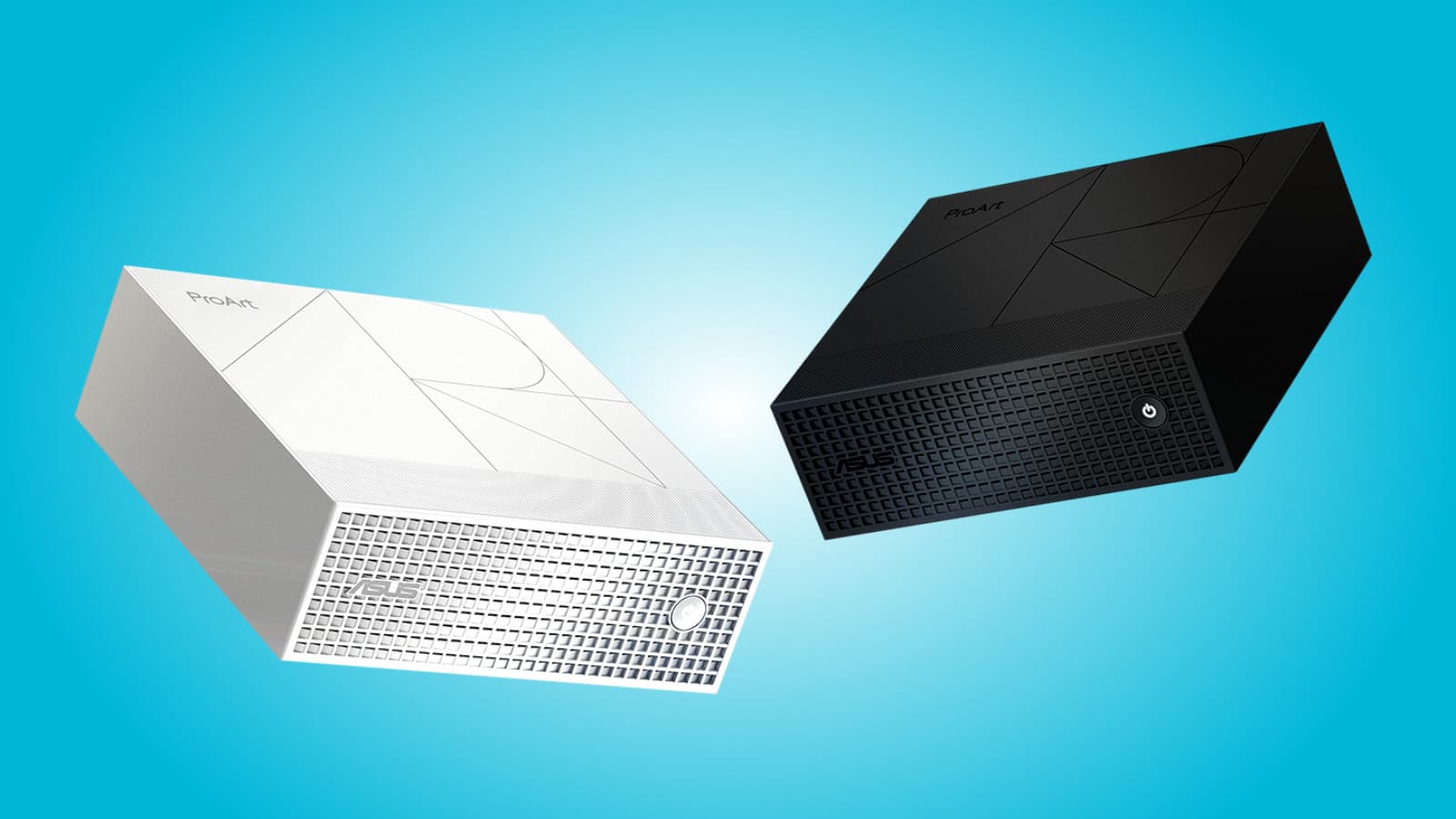
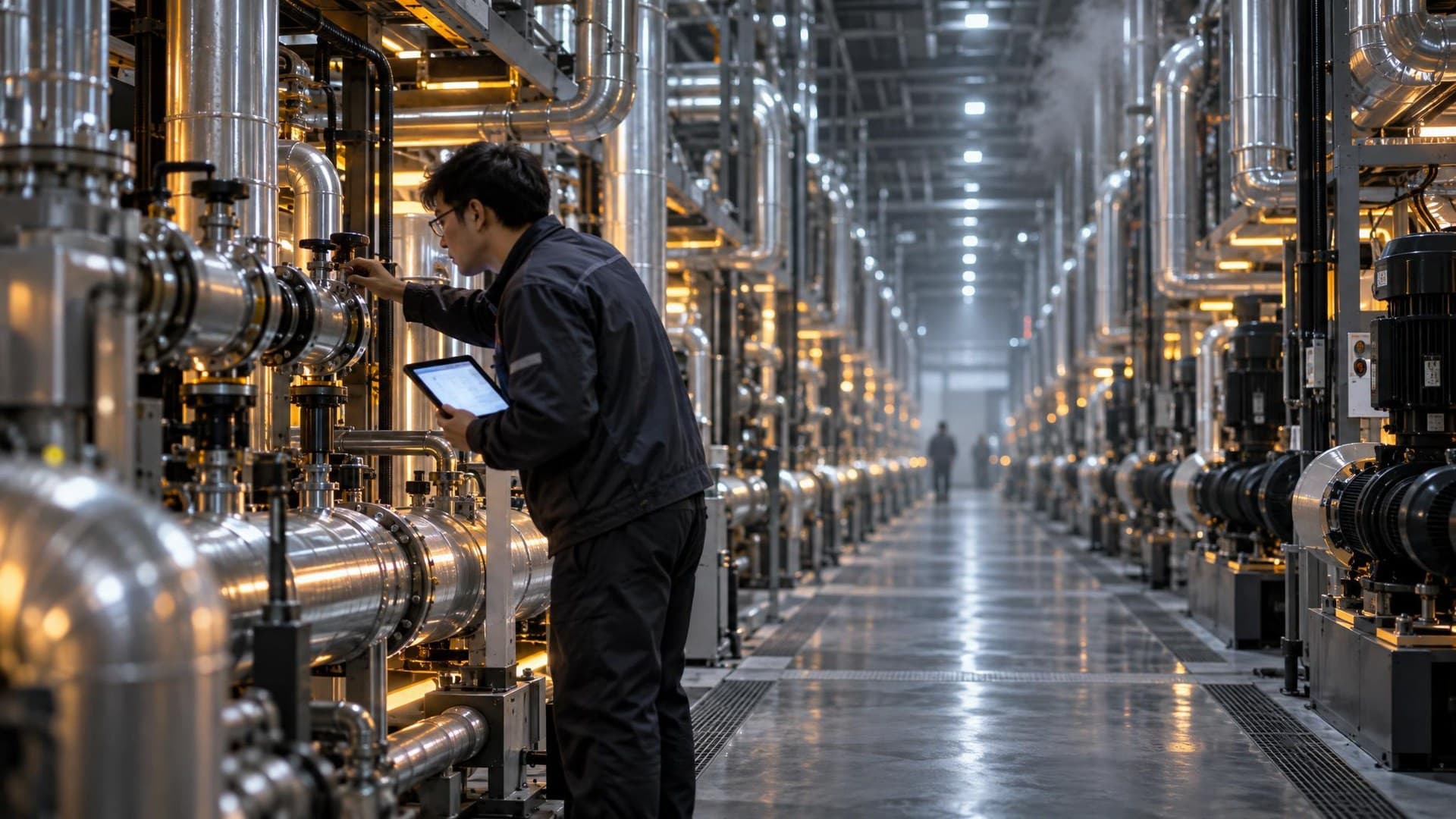
The Malaysian sites will run Nvidia's next-generation Vera Rubin NVL72 rack-scale systems, deployed through Nvidia's DSX AI Factory platform and integrated with Firmus's own HyperCube design — a prefabricated module that combines liquid cooling, mechanical systems, and electrification so capacity can be added in repeatable blocks. The deal builds on a June 2026 agreement with Nvidia covering 170,000 AI accelerators and a 360MW dedicated campus in Batam, Indonesia.
Neither company disclosed the contract's value. Reuters reporting carried by Business Recorder notes Firmus was valued above $10.5 billion (around ₱656 billion) at its latest funding round — backed by Nvidia, Jane Street, Blackstone funds, and Coatue Management — and that the OpenAI deal lands ahead of an anticipated initial public offering that could rank among Australia's largest in years.
Where the Philippines stands
Nothing in this announcement touches the Philippines directly — and that absence is the local story. OpenAI's first Southeast Asian compute commitment went to a neighbor, while the Philippine conversation is still at the mapping stage: the Pax Silica framework and PEZA's push are steering prospective AI data centers toward coastal ecozones, but no hyperscale AI anchor tenant has been announced.
The scale gap is measurable. Mordor Intelligence estimates the Philippine data center market at $0.85 billion (around ₱53 billion) in 2026, growing to $2.37 billion (around ₱148 billion) by 2031, with national IT load capacity rising from about 633MW in 2025 to roughly 853MW by 2030. Firmus alone now has more than 900MW under contract — a single company's order book exceeding the Philippines' projected national capacity for the end of the decade.
Why the anchor customer matters
AI factories get financed the way power plants do: a committed anchor customer de-risks the build, and everything else follows. That is what Malaysia just secured and the Philippines has not — the difference between a market where capacity is contracted and one where it is forecast. For Filipino users of ChatGPT and other OpenAI products, regional capacity in Malaysia should still mean better latency and reliability than routing to US or Australian sites. But the jobs, grid investment, and ecosystem that come with hosting the infrastructure will accrue where the racks are.
The follow-up worth watching: whether the Philippine ecozone push can produce a comparable anchor deal — from OpenAI, its rivals, or the hyperscalers — before the region's next 24 months of capacity gets committed elsewhere.