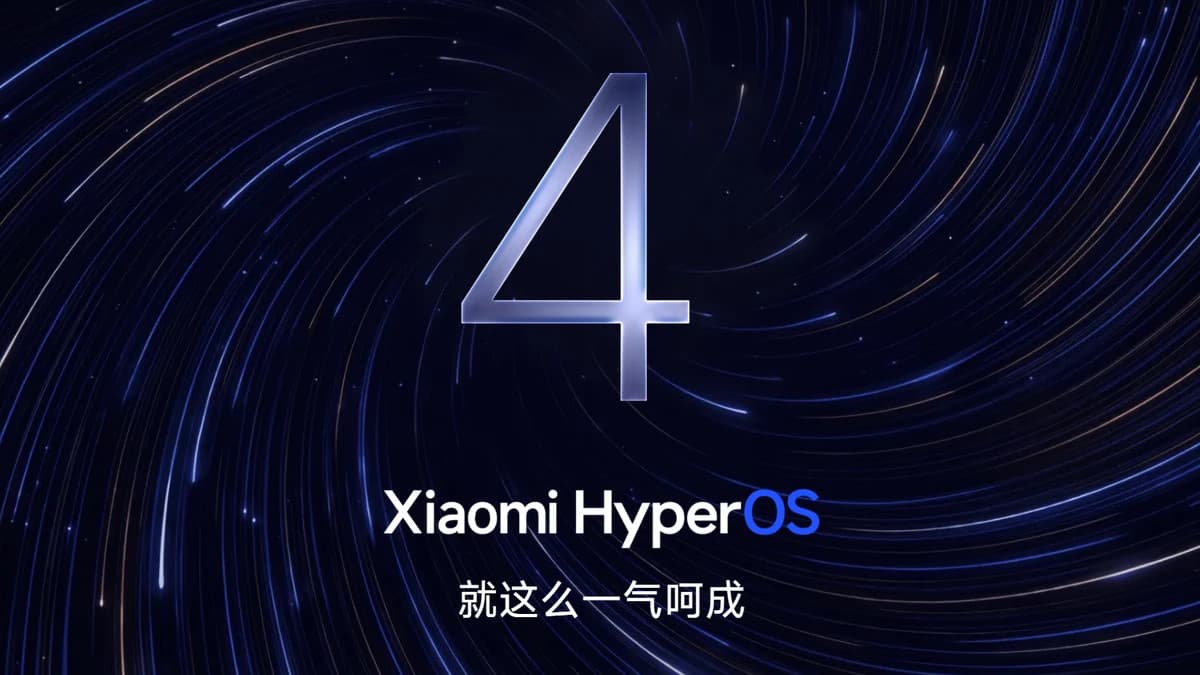
Xiaomi has unveiled HyperOS 4, the next big version of the software that runs its phones, tablets and other devices. The update brings a new glass-style look, a smarter AI assistant called Super XiaoAI 2.0, and speed improvements, starting with a beta in China from August 14.
A new glass look
The most visible change is the design. HyperOS 4 uses a "Soft Light Glass" style with translucent, layered menus, resizable folders and more customizable widgets. As Techgenyz notes in its overview, the fresh interface sits alongside better lock-screen personalization and smoother transitions when you rotate the screen. The direction is similar to the translucent looks other phone makers have adopted, but Xiaomi keeps its own layout and icons.
Super XiaoAI 2.0 and the MiMo model
The headline upgrade is the assistant. Super XiaoAI 2.0 is powered by Xiaomi's own large language model, called MiMo. A large language model (LLM) is the type of AI that understands and generates natural language. Gizmochina's report on the beta explains that the assistant gains an "Expert Mode" that works like a system-level agent: it reads your request, breaks a complex task into steps, picks the right apps or tools, and carries out the actions for you.
Xiaomi is also adding a "Super Island" area for quick, interactive responses and an "Inspiration Ball" that you drag over text or an image to trigger fast actions, such as starting navigation or searching for a product. New AI features cover image editing, note-taking, recording summaries, voice transcription, trip planning, smart-home device control and text generation.
Faster in daily use
Xiaomi says HyperOS 4 is quicker after long periods of use, which is where many phones slow down. The company's own figures include:
- Apps loading about 18 percent faster after extended daily use
- HDR photo processing cut to 240 milliseconds
- Camera app cold-start time reduced by 200 milliseconds
- Smoother video playback with fewer dropped frames
Rollout timeline and eligible devices
The beta begins in China on August 14 and expands in three batches, moving through August 27 and finishing around September 17, Gizmochina reports. Early eligible devices include the Xiaomi 17 series, the Redmi K90 and K100 series, the Xiaomi Mix Flip 2 and several Xiaomi Pad 8 models. Gizbot's rundown describes the release as based on the latest Android version and lists a similar device set. The global and India rollout schedule has not been announced separately, so regions outside China should expect their turn only after the China beta stabilizes. Xiaomi is positioning HyperOS 4 as both a design refresh and an AI upgrade rather than a single new feature, and the assistant work is the clearest sign of that shift.
When will it reach the Philippines?
Here is the honest local picture: Xiaomi has not announced a Philippine or wider global rollout schedule yet, only the China beta. That is the usual pattern, China first, then a staged global release over the following weeks and months. Filipino owners of recent Xiaomi and Redmi flagships are on the eligible list, so the update should reach the Philippines in time, but no date has been confirmed. Until Xiaomi Philippines publishes a timeline, treat HyperOS 4 as coming later rather than soon, and expect the stable version, not the current China-only beta, to be the one that lands here.