Swatch is demanding $170 million (around ₱10.4 billion) in damages from Samsung in London’s High Court, in what legal experts are calling the biggest watch trademark lawsuit in UK history. The damages trial concluded on June 26, 2026, and a ruling is expected soon — but the case itself has been building for seven years.
Key Takeaways
- Swatch is seeking $170 million (~₱10.4 billion) from Samsung in UK damages proceedings.
- The case centers on third-party Galaxy Watch apps that replicated Omega, Tissot, and other Swatch brand designs.
- London’s High Court already ruled Samsung liable in 2022 — this latest trial was solely about how much Samsung must pay.
- Samsung calls the demand “extravagant”; Swatch refuses to license its designs for smartwatches.
- A UK ruling could open the door to parallel US litigation against Samsung.
How Samsung's Platform Ended Up in a Trademark Dispute
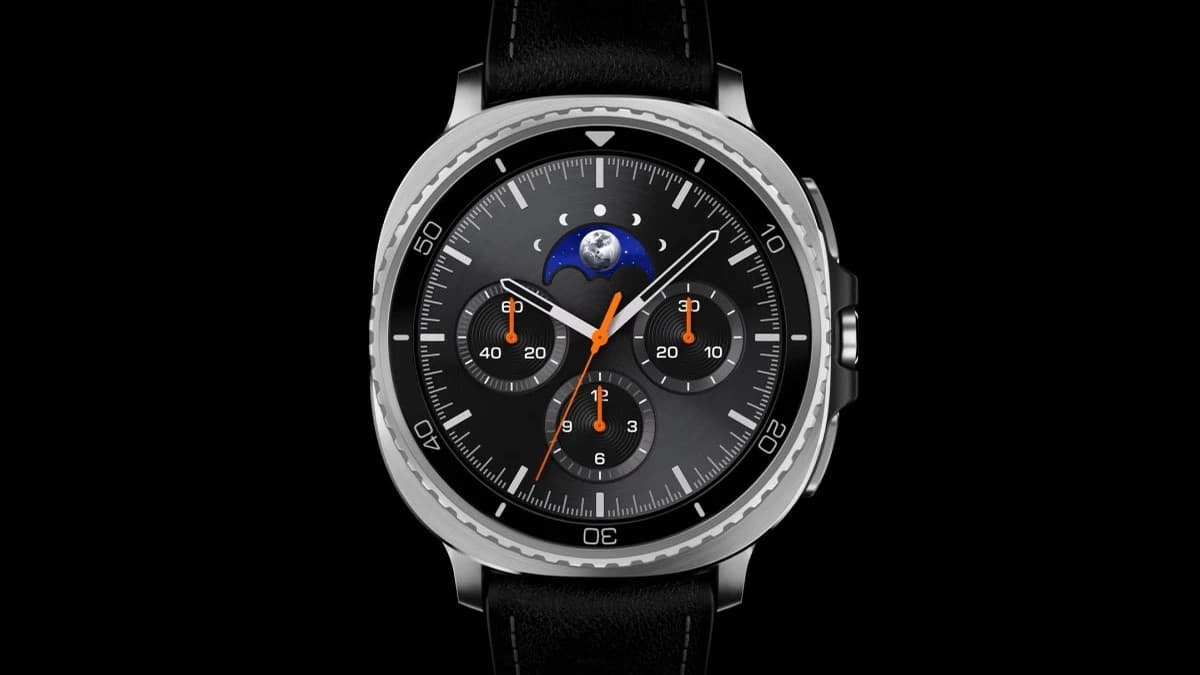
The case, originally filed in 2019, centers not on Samsung copying watch faces directly, but on Samsung’s platform allowing third-party developers to create and distribute watch-face apps that closely mimicked designs from Swatch’s luxury brands — among them Omega, Tissot, Longines, Blancpain, and Breguet. Users could download these apps onto Galaxy smartwatches, effectively wearing a digital imitation of an Omega Speedmaster or a Tissot Le Locle on their wrists.
Swatch’s argument is that Samsung, as platform operator, bears responsibility for enabling and profiting from these infringing apps. In 2022, London’s High Court agreed: it ruled that Samsung was liable for trademark infringement. That 2022 ruling left the question of how much Samsung must pay for a later, separate trial — which is what just concluded.
What Swatch Is Demanding — and Why $170 Million
Swatch arrived at its $170 million (~₱10.4 billion) figure through a “hypothetical licensing fee” model, calculating what Samsung would have had to pay across 10 Swatch Group brands had it licensed those designs legitimately. The figure represents the largest trademark damages claim of its kind ever filed in a UK court.
Critically, Swatch has made clear it would never actually grant such licenses. The company argues that putting an Omega or Tissot face on a mass-market smartwatch — turning “exclusive watches into everyday products” — would fundamentally undermine the luxury positioning and brand exclusivity that makes those names valuable.
Samsung's Defense: "Extravagant" and Disproportionate
Samsung has vigorously contested the amount, describing Swatch’s $170 million demand as “extravagant” and outsized relative to any actual commercial harm. Samsung’s legal team has argued that the hypothetical-licensing framework inflates damages beyond what is justified and that the actual impact on Swatch’s business from the infringing apps was far more limited.
The court will weigh both sides’ arguments, and the ruling — when it arrives — will likely set an important precedent for how platform liability and trademark damages are calculated in cases involving third-party digital content.
What Comes Next: US Litigation on the Horizon
The UK case does not stand alone. Legal analysts have noted that a successful damages ruling for Swatch in London would clear the way for a parallel infringement claim against a Samsung subsidiary in the United States, potentially exposing the company to additional liability in one of the world’s largest smartwatch markets.
The original case predates Brexit, which means EU-related elements are also woven into the proceedings, adding complexity to the judgment that the court must untangle.
FAQ
Has Swatch already won the case?
Yes — Samsung was found liable for trademark infringement in a 2022 ruling. What just concluded is the damages trial, where the court decides how much Samsung must pay Swatch. The actual amount has not yet been announced.
Could this affect Samsung Galaxy Watch availability?
Unlikely. The case targets financial compensation, not an injunction banning Samsung products. Samsung has also long since removed or restricted the offending watch-face apps. The commercial risk is monetary, not product-level.
Why won’t Swatch just license its designs?
Swatch has explicitly said licensing to a mass-market tech platform would “destroy the value” of its luxury brands. Exclusivity is core to Omega and Tissot’s pricing power, and a widely available smartwatch face would erode that positioning.
Sources: