
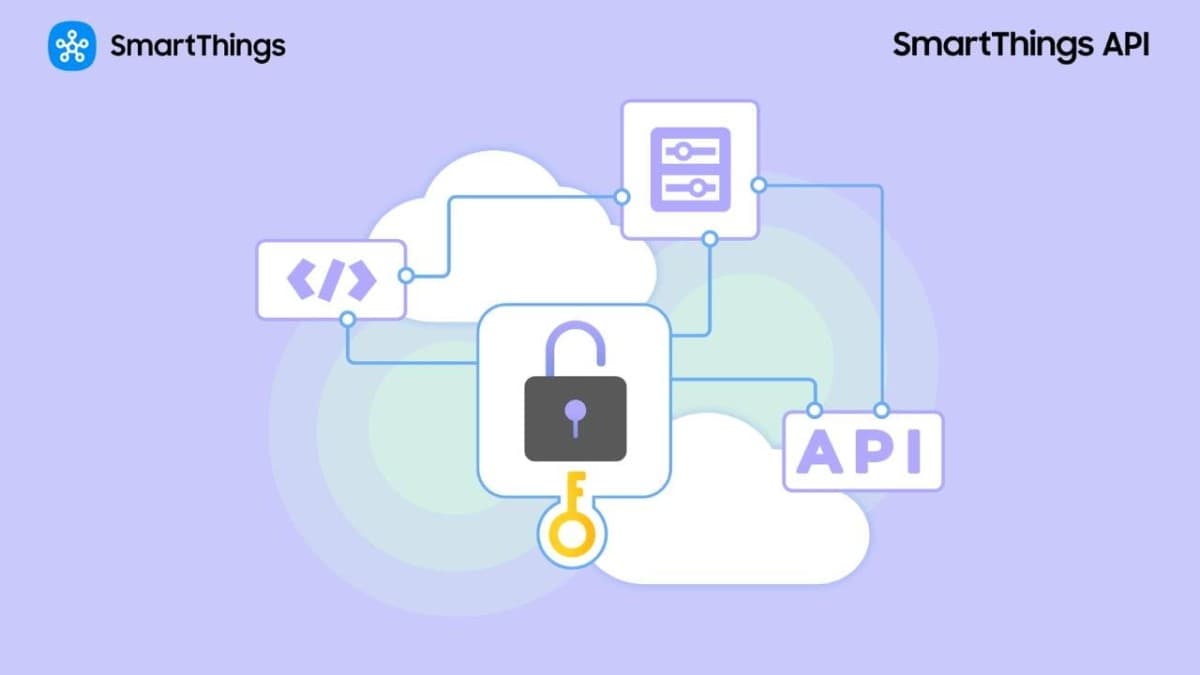
Samsung is putting a price tag on SmartThings API access, telling developers and power users they will need to pay $4.99 a month (around ₱310) to keep programmatic access to its smart-home platform starting October 2026. The change, first surfaced by outlets including Engadget and SamMobile and picked up locally by NoypiGeeks, does not touch ordinary consumers using the SmartThings app — but it lands squarely on hobbyists and third-party platforms like Home Assistant that rely on the API to control Samsung-connected devices.
Key Takeaways
- Samsung will charge $4.99/month (around ₱310) for SmartThings API access from October 2026.
- The fee targets individual developers and power users, including Home Assistant users — not people using the standard SmartThings app.
- Free access continues until October 2026, when new usage limits take effect.
- Samsung says the revenue will fund enterprise-grade features and a new Developer Center hub.
- Google, Apple, and Amazon currently keep their smart-home developer APIs free for personal use, making Samsung's move an outlier.
Who actually has to pay
The distinction Samsung is drawing is between everyday app users and developers. If you control your Samsung fridge, TV, or smart plugs through the official SmartThings app, nothing changes and you pay nothing. The $4.99 monthly fee applies to anyone accessing SmartThings programmatically through the API — including non-commercial individual developers building custom automations, and, critically, users who route their Samsung devices through third-party smart-home hubs such as Home Assistant. Engadget notes that free API access remains in place until October 2026, at which point Samsung will begin applying new usage limits to unpaid access.
Samsung's reasoning
Samsung frames the paywall as reinvestment. The company says the added revenue will let it "invest heavily in the enterprise-grade features our partners and users have been asking for," and it is rolling out a new Developer Center hub that surfaces current usage and data points to help developers optimize their code. In other words, Samsung is positioning the fee as the price of a more robust, better-supported developer platform.