Qualcomm has confirmed that Snapdragon chip prices will rise starting September 1, 2026, and the increase could reach double digits. That one decision sits upstream of a large share of the Android phones sold in the Philippines, because Snapdragon is the SoC (the main processor) inside many of them.
The company says the increase comes from costs it can no longer absorb on its own. In a statement reported by 9to5Google on July 29, Qualcomm said "the semiconductor industry is experiencing a broad-based increase in input costs, across wafer fabrication, assembly, test, advanced packaging, memory and other materials." In plain terms: almost every step of building a chip has become more expensive at the same time.
What Qualcomm told its customers
The confirmation followed earlier reporting. Bloomberg reported on July 24 that Qualcomm had written to customers to say prices would go up by a double-digit percentage on products delivered after September 1. According to that letter, the company had exhausted its ability to absorb higher costs from its own suppliers, and its attempts to find alternative component sources had come up short.
A "double-digit" increase is a wide range. It could mean 10 percent or it could mean much more, and Qualcomm has not published a single figure covering the whole Snapdragon line. What is fixed is the date: chips shipping from September 1 onward carry the new pricing.
This is not only about phones
Snapdragon is a family, not a single product. Android Authority reported that the increase reaches beyond flagship smartphone silicon into wearables, Windows laptops running Arm-based Snapdragon processors, and other devices built on Qualcomm parts. Tablets, smart glasses modules, and connected IoT hardware sit on the same price list.
That breadth matters. A phone maker can sometimes swap one chip supplier for another between generations. A smartwatch or an Arm laptop usually cannot, because there are far fewer alternatives at that end of the market.
Why chip costs are climbing now
The pressure is coming from the AI build-out. Data centre operators are buying memory, advanced packaging capacity, and wafer allocation at a pace that leaves less for everyone else, and prices for those inputs have moved sharply. We have already seen this cascade down to older, cheaper parts — DDR2 memory prices jumped around 60 percent as the shortage worked its way through the DRAM supply chain.
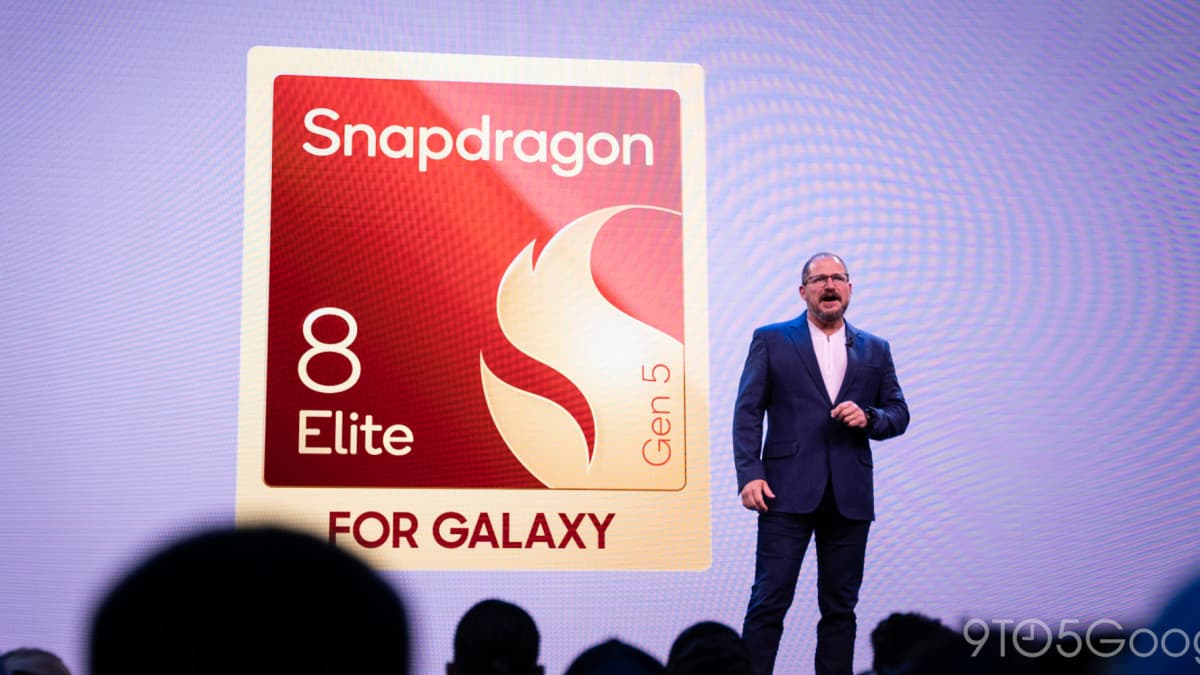
Snapdragon pricing has also been climbing before this announcement. The Snapdragon 8 Elite generation was reported to cost roughly 30 percent more than the chip it replaced, which is part of why flagship phone prices have crept upward over the past two years.
What it means for phone prices here
No brand has announced a Philippine price change tied to this specific increase yet, and Qualcomm sells to manufacturers rather than to shoppers. So there is no new peso figure to point at today.
What we do have is a recent precedent. Filipino buyers already watched POCO raise its Philippine prices by up to ₱12,000 on some models when memory costs rose. Chip cost increases tend to land the same way: brands hold the price for the current stock, then quietly reset it on the next model or the next shipment.
The segment most exposed here is the mid-range, roughly ₱15,000 to ₱30,000, where margins are thinnest and a small change in the bill of materials is hard to hide. Budget phones using MediaTek or Unisoc chips are less directly affected, though they draw on the same strained memory supply.
What to watch next
Phones already on shelves were built with chips bought before September 1, so current pricing reflects the old cost. The clearer signal will come with devices announced late in 2026 and early in 2027 — whether their launch prices sit above their predecessors, and whether brands hold a price point by cutting storage or RAM instead.
If you were already planning a phone purchase in the next month or two, that timing now works slightly in your favour. If you can wait a year, be prepared for the same tier to cost a little more.