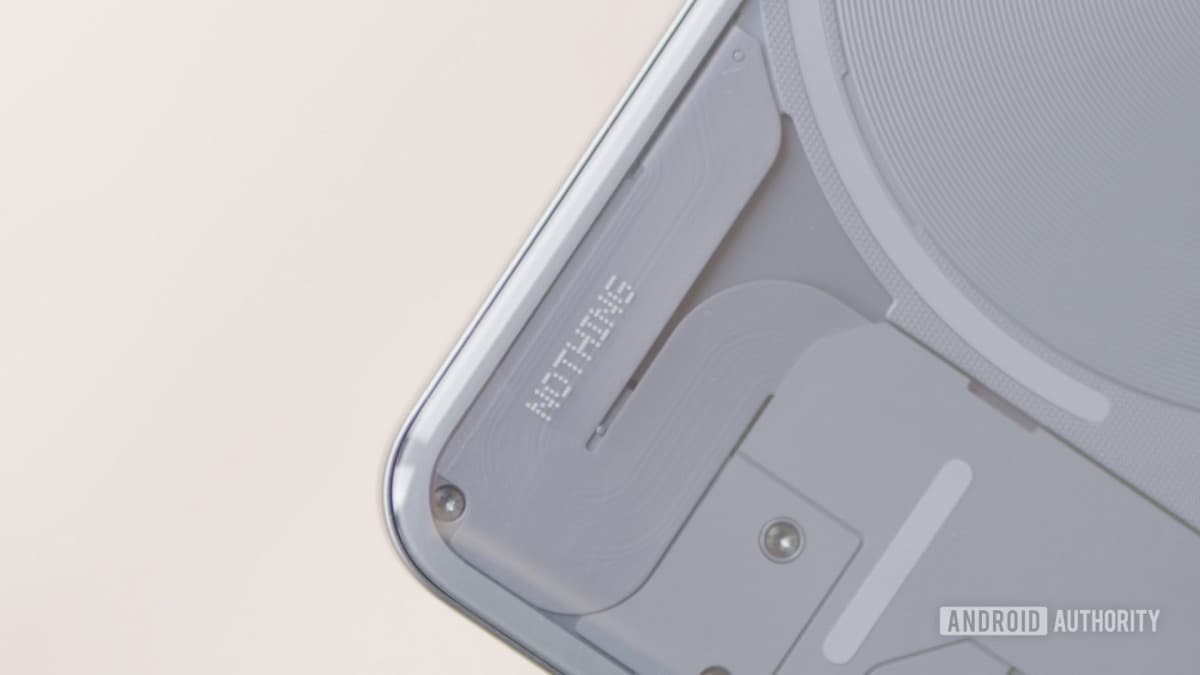
Nothing is not leaving any market. That is the message from co-founder Akis Evangelidis, who on July 24 dismissed a widely shared report that the London-based phone maker would pull out of 12 countries — while confirming that the company is cutting jobs and reorganising into new business units, including one built around AI.
The distinction matters for buyers here, because Nothing only began selling its newest budget phone in the Philippines this month.
What Nothing actually said
Evangelidis posted the response on X after reports claimed the company was winding down operations across a dozen markets. "We are not shutting down any markets," he said, as Android Authority reported. He did not deny that jobs were affected, but said the figures being circulated were "way overblown."
Gizmodo reported the same split: the market-exit claim is rejected, the layoffs are real. Nothing framed the cuts as part of a wider reorganisation, saying that "decisions that impact people's livelihoods are never taken lightly" and that affected staff would be supported through the transition.
Regional hubs instead of country teams
The structural change is the part worth watching. Instead of keeping a separate team in every country it sells in, Nothing is consolidating countries into regional hubs — one team covering a group of markets rather than one team per market. That lowers running costs, and it lets the company keep selling in a country where it no longer keeps local staff.
That is most likely where the "exiting 12 markets" story came from. Removing a country team is not the same as removing the country from your sales map, but from the outside the two can look alike.
Alongside the hubs, Nothing is setting up dedicated business units, including what Evangelidis called an "AI-native" business unit. Details are thin. The phrase has become common across consumer tech this year, and Nothing has not said what products the unit will actually ship or when.
Evangelidis said the changes position the company "to shape the next era of personal computing."
The sales figure Nothing put forward
To push back on claims of weak demand, Evangelidis offered a number: the Phone (4b) sold 29,537 units on its first day, which Nothing says is a record for the phone's price class. It is a company-supplied figure that has not been independently audited, so read it as Nothing's own claim rather than verified market data.
The Phone (4b) launched globally on July 7 with a Snapdragon 6 Gen 4 SoC (the main processor) and a 6.77-inch AMOLED screen.
The cost pressure behind the reorganisation
Nothing is not restructuring in a vacuum. TechTimes reported that the moves land while memory prices climb steeply — a squeeze that has already reached Philippine shelves. POCO raised its local prices by as much as ₱12,000 this year on the same RAM shortage.
Smaller brands feel this first. They buy fewer components than Samsung or Apple do, so they have less room to absorb a component price increase without either raising retail prices or trimming costs elsewhere. A reorganisation is the cheaper lever to pull.
What this means if you own — or want — a Nothing phone here
Nothing has announced no change to Philippine availability. The Phone (4b) sells here from ₱21,990 for the 8GB/128GB model and ₱23,990 for the 8GB/256GB version, through Nothing's official Philippine online store and authorised retail partners.
Two practical points follow. First, if a regional hub replaces a country team, after-sales questions may route through a shared regional desk rather than a local one — worth asking your retailer how warranty claims will be handled before you buy. Second, an "AI-native" unit with no announced products should not factor into a purchase decision today. Judge the phone in front of you, not the roadmap behind it.
Nothing has not signalled any change to software support on the phones it already sells.