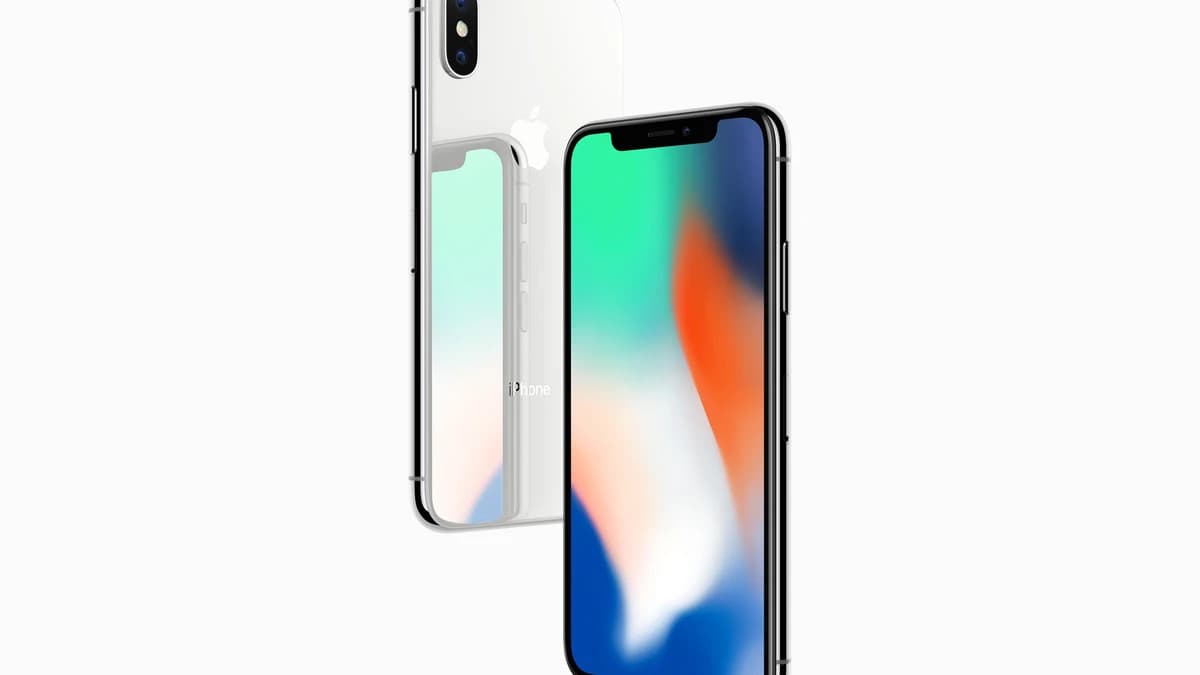
Nearly nine years after it introduced Face ID and the notch, the iPhone X has reached the end of the road. Apple has moved the iPhone X and the 15-inch 2018 MacBook Pro from its vintage list to its obsolete products list, MacRumors reported after Apple updated its support page on August 13, 2026. Once a device is obsolete, Apple Stores and Apple Authorized Service Providers can no longer order replacement parts for it, and all official hardware service ends.
What "obsolete" means, and how it differs from "vintage"
Apple sorts aging products into two buckets:
- Vintage — more than 5 and less than 7 years since Apple stopped selling the device. Official repairs are still possible, but only while parts remain in stock.
- Obsolete — more than 7 years since sales ended. Apple discontinues all hardware service, and service providers cannot order parts. The one exception: Mac laptops may remain eligible for battery-only service for up to 10 years, subject to parts availability.
The iPhone X qualifies comfortably. Apple launched it in November 2017 as its radical tenth-anniversary iPhone and pulled it from shelves in September 2018 — meaning it has now been off the market for almost eight years.
Why the iPhone X mattered
The iPhone X was the biggest single redesign in the iPhone's history. Launched for the iPhone's tenth anniversary at $999 in the US (around ₱61,600 at today's exchange rate), it was Apple's first iPhone with an OLED display, the first to drop the home button and Touch ID in favor of Face ID, and the phone that introduced the edge-to-edge screen with a notch — a look the industry copied for years. Its glass-and-stainless-steel build set the template that premium iPhones still follow today. Software support ended some time ago: the iPhone X topped out at iOS 16, with its final build being iOS 16.7.16, and it never received iOS 17 or later.
The 15-inch 2018 MacBook Pro joins it on the list. That machine is capped at macOS 15.7.7 and can no longer be serviced through official channels, apart from the battery-service window described above.
What this means for owners in the Philippines
Apple's vintage and obsolete lists apply worldwide, so the change covers the Philippines automatically — no separate local announcement is involved. In practice, authorized service providers in the country can no longer order genuine parts for the iPhone X or the 2018 15-inch MacBook Pro, leaving owners with independent repair shops, aftermarket parts, or an upgrade. Plenty of iPhone X units are still in use locally as hand-me-downs and secondhand purchases, so the bigger everyday concern is software: a phone stuck on iOS 16 will see more and more apps drop support over time, even while Apple occasionally ships security patches for older iOS versions. For those weighing a replacement, Apple has been reshaping its upgrade path lately, including the new Klarna-backed Apple Upgrade program.
FAQ
Can I still use an iPhone X in 2026?
Yes. Obsolete status only ends official repairs and parts orders. The phone will keep working, but it is limited to iOS 16.7.16, and app developers are gradually dropping older iOS versions.
Can Apple still replace my iPhone X battery?
No. The up-to-10-years battery-service exception applies only to Mac laptops, such as the 2018 MacBook Pro. For the iPhone X, official battery service has ended along with all other hardware service, so third-party shops are the remaining option.
Which devices are likely next?
Apple generally declares products obsolete around seven years after their last sale. Devices discontinued in 2019, such as the iPhone XS line's remaining stock and early 2019 Macs, are the logical next candidates as their windows close.