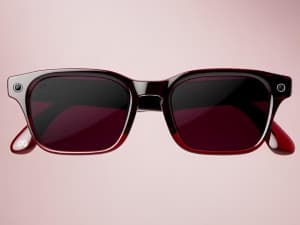
Apple has delayed its smart glasses, and the reason is not the hardware. Teams working on the device have pushed the reveal to WWDC in June 2027, with a release expected by the end of that year, because they are still working out how to put cameras on someone's face without repeating the privacy problems that have followed Meta's Ray-Ban glasses.
The reporting comes from Bloomberg's Mark Gurman and was picked up on July 26 and 27, 2026.
Why Apple pushed the date
Engadget reported that teams inside Apple's Vision hardware group and elsewhere in the company treat privacy as "priority No. 1" for the glasses, and that the company is building hardware and software protections it does not currently ship on any product.
The slip is not enormous in calendar terms — from early 2027 to mid-2027 — but it changes the shape of the launch. TechCrunch's Anthony Ha noted that moving the announcement to WWDC gives Apple more time to work on both the product and the way it explains the product, which for a face-worn camera is arguably the harder half of the job.
The privacy protections under consideration
According to the reporting, Apple is weighing several measures:
- On-device processing. Analysing what the cameras see on the glasses or the paired iPhone rather than sending it to a server.
- No facial recognition. Deliberately leaving out the ability to identify people the wearer looks at.
- No recordings used for AI training, and no contractors reviewing customer footage — a direct contrast with practices that have drawn criticism elsewhere.
- A more visible capture indicator light, plus software that disables recording if the system detects the indicator has been tampered with. Meta uses a similar tamper check.
- Reduced-camera versions. Apple has reportedly considered glasses with no camera at all, and a variant whose cameras can analyse surroundings for context but cannot capture photos or video.
That last option is the most revealing. A camera that can see but cannot record is a deliberate trade: it keeps the assistant features while removing the bystander's main objection.
The problem Apple is trying to avoid
The caution is well-earned. Camera glasses have generated a steady stream of complaints about people being filmed without consent, and Meta has been the lightning rod. We reported earlier this month when Meta banned Instagram accounts that were filming strangers with Ray-Ban smart glasses.
The category is getting more crowded regardless. Samsung has already shown its first AI smart glasses built with Gentle Monster and Warby Parker. Apple arriving in mid-2027 means entering a market where the norms — and the public's tolerance — will have been set by other companies.
What this means for Filipino buyers
Very little changes here in the short term, and that is the honest answer.
No official Philippine availability has been announced for Apple's smart glasses, which is unsurprising for a product that has not been revealed. More to the point, Meta's AI glasses — the obvious alternative — still have no official Philippine launch, local price or authorised retail channel. Units that turn up on local marketplaces are imports brought in by resellers, sold without local warranty support. For reference, Meta's Ray-Ban glasses start at $299 (around ₱18,400) in the United States, before shipping, duties and reseller margin.
The privacy debate, though, is not something Filipinos get to sit out. Imported glasses are already in use here, and the Data Privacy Act of 2012 (Republic Act 10173) governs the collection of personal information in the Philippines regardless of where the device was bought. Whatever norms Apple, Meta and Samsung establish in 2027 will arrive here through grey-market channels well before an official launch does.
What happens next
Apple's own timeline now points to a WWDC 2027 announcement and a release before the end of that year. Both are reported plans, not commitments — Apple has not confirmed the product exists, and it has moved smart-glasses dates before. Anyone hoping to buy a pair in the Philippines should treat 2028 as the realistic window for official local availability, if it comes at all.