OpenAI's GPT-5.6 models — Sol, Terra, and Luna — are rolling out to everyone starting July 9, 2026, moving from a limited preview into broad public availability across ChatGPT, the Codex coding tool, and the API (the interface developers use to build apps on top of the models). The wider launch comes after a review with the US government.
Key Takeaways
- GPT-5.6 Sol, Terra, and Luna become publicly available on July 9, 2026.
- The models reach ChatGPT, Codex, and the developer API, ending an earlier limited preview.
- The rollout follows a review by the US Department of Commerce.
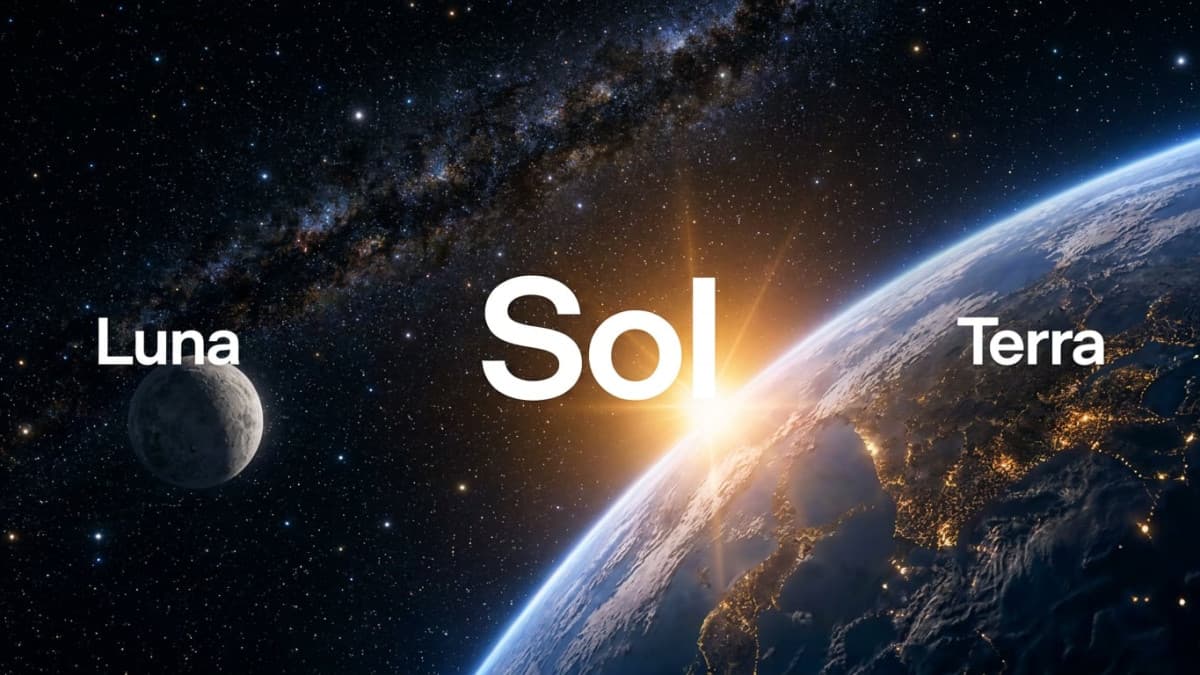
- Sol is the flagship, Terra is the balanced everyday model, and Luna is the fastest and cheapest.
From limited preview to public launch
GPT-5.6 was first shown as a limited preview, with early access given mainly to trusted partners and the US government before a wider release. That review has now cleared the way for a full public launch. The US Department of Commerce gave its approval after additional testing and meetings with government agencies, and OpenAI chief executive Sam Altman said the company is "working with the US government to create a more transparent and reliable process" for future AI releases. He added that the government preview was seen as "the strongest path to broader availability in the coming weeks." The earlier preview stage was covered here when GPT-5.6 launched in limited preview.
The three GPT-5.6 models explained
OpenAI split GPT-5.6 into three models so users can match cost to the task:
- Sol — the flagship, built for demanding work like advanced coding and cybersecurity, and shipping with what OpenAI calls its strongest safety stack yet.
- Terra — the balanced, everyday model. OpenAI says it matches the performance of the older GPT-5.5 while costing about half as much.
- Luna — the fastest and most affordable option, aimed at high-volume, cost-sensitive use.
The split lets people pick the right tool for the job instead of paying flagship rates for simple work. A quick summary or draft can run on Luna, everyday tasks can use Terra, and heavy coding or security jobs can go to Sol.
What it costs developers
For developers building on the API, OpenAI lists pricing per one million tokens (a token is a small chunk of text — roughly a few characters — that the model reads or writes). The listed rates are:
| Model | Input (per 1M tokens) | Output (per 1M tokens) |
|---|
| Sol | $5 (around ₱310) | $30 (around ₱1,850) |
| Terra | $2.50 (around ₱150) | $15 (around ₱920) |
| Luna | $1 (around ₱60) | $6 (around ₱370) |
Input is what you send the model; output is what it generates back. Luna is the cheapest, which suits apps that process a lot of text, while Sol is priced for heavier, higher-value tasks.
Why It Matters
For users and developers in the Philippines, the public rollout means direct access to OpenAI's newest models through ChatGPT and the API without waiting for partner approval. The three-tier setup makes cost planning easier: a local startup can run everyday tasks on the cheaper Terra or Luna and save Sol for complex jobs. The government-review step is also notable — it signals that major AI launches are increasingly shaped by regulators, which could influence how future models reach markets outside the US, including here.
FAQ
When can I use GPT-5.6?
OpenAI is rolling out Sol, Terra, and Luna to everyone starting July 9, 2026, across ChatGPT, Codex, and the API.
Which GPT-5.6 model is the cheapest?
Luna is the fastest and most affordable, at $1 (around ₱60) per one million input tokens and $6 (around ₱370) per one million output tokens.
Sources: