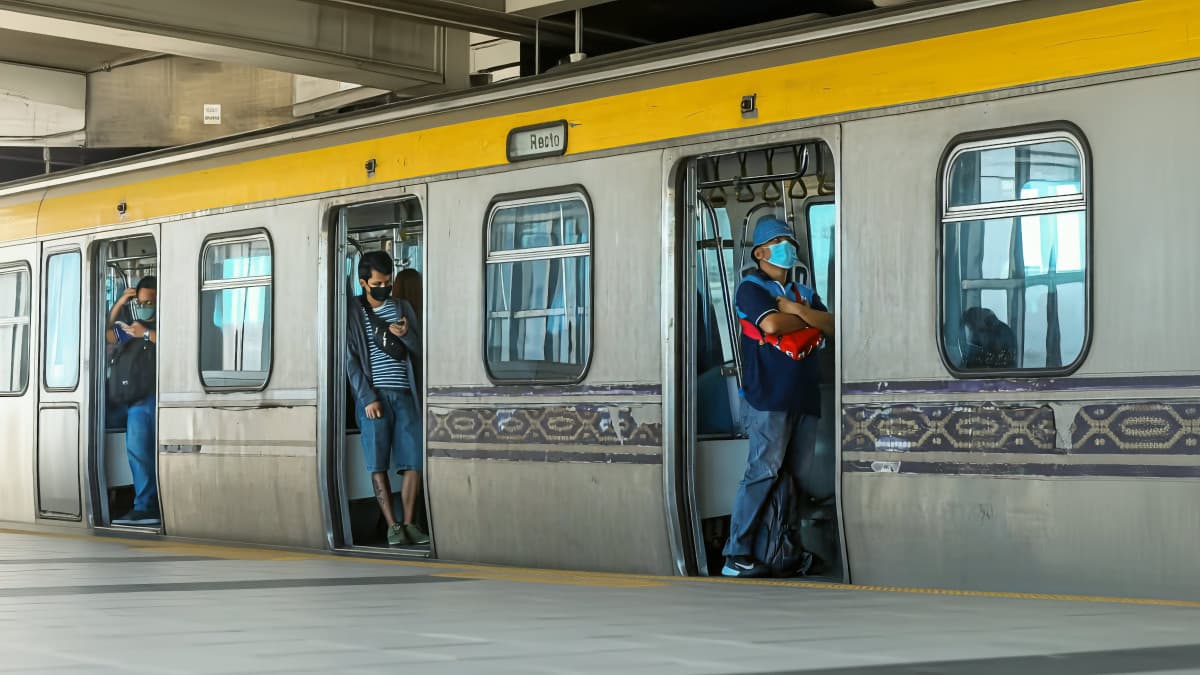
Filipino commuters on the LRT-2 can now tap a Visa or Mastercard card, a linked phone, or a GCash Commute QR code at the fare gates to pay for their ride, with the contactless system live at all 13 stations of the line as of July 13, 2026. The tapped card or wallet becomes the ticket: the exact fare is charged straight to it, so there is no need to buy a single-journey ticket or reload a stored-value beep card. Visa and Mastercard confirmed the LRT-2 go-live on Monday, July 13, along the line that runs from Recto in Manila to Antipolo in Rizal.
Key Takeaways
- LRT-2 contactless fares are live at all 13 stations from July 13, 2026, along the Recto-to-Antipolo line.
- Riders can tap a Visa or Mastercard credit, debit, or prepaid card, an NFC-enabled phone or watch linked to those cards, or scan a GCash Commute QR code.
- The tapped card or wallet acts as the ticket, and the fare is charged directly to it, so there is no separate beep card to reload.
- More than 160,000 passengers ride the LRT-2 each day.
- It extends the government's open-loop fare drive that already covers MRT-3 and several provincial bus lines.
How the LRT-2 tap-to-pay system works
The setup is called an "open-loop" fare system. In plain terms, open-loop means the gate reads an ordinary bank card or a digital wallet you already own, instead of forcing you to buy a special transit card first. When you tap a Visa or Mastercard at the LRT-2 gate, the reader charges the exact fare for your trip directly to that debit, credit, or prepaid card. The card itself is your ticket.
That is the main change for daily riders. Before this, most passengers either lined up to buy a single-journey ticket or kept topping up a stored-value beep card. Both options still work for anyone who prefers them. But the new tap-to-pay choice means a commuter with a bank card or a linked phone can walk straight to the gate. The rollout is meant to shorten lines at ticket booths and reloading machines, especially during the morning and evening rush.
What you can tap at the gate
The upgraded LRT-2 turnstiles now accept several payment types. NFC, or near-field communication, is the short-range wireless tech that lets a card or phone pay by tapping it a few centimeters from the reader.
| Payment method | How it works |
|---|
| Visa or Mastercard card | Tap the physical credit, debit, or prepaid card on the gate reader |
| NFC phone or smartwatch | Tap a device that has a Visa or Mastercard added to its mobile wallet |
| GCash Commute QR | Open GCash, tap the Commute icon, and scan the generated QR code at the turnstile |
| beep card or single-journey ticket | Still accepted for riders who prefer the older stored-value system |
Because the fare is pulled straight from the account behind the card or wallet, riders no longer have to guess how much load is left on a beep card before a trip.
Part of the government's open-loop fare push
The LRT-2 launch is one piece of a wider Department of Transportation plan to let ordinary bank cards and e-wallets work across the country's rail and bus systems. The Visa side of the LRT-2 project was completed with the Department of Transportation, Rizal Commercial Banking Corporation (RCBC), and other stakeholders. Mastercard said its own rollout came through continued work among transit authorities, banks, and payment technology firms.
Both networks reached the LRT-2 after earlier transit projects. Visa had already helped bring contactless payments to the Metro Rail Transit Line 3 (MRT-3) and to bus systems outside Metro Manila, including in Cebu, Mandaue, and Bacolod. Mastercard partnered with beep operator AF Payments in 2024 and launched its "Tap & Go" service at MRT-3 stations in July 2025; the upgraded MRT-3 gates now read Visa cards and QR payments as well.
Visa frames the move as part of a much larger effort. When the transit partnership was announced, Visa Philippines country manager Jeffrey Navarro said the goal is that "when we remove barriers to digital financial systems, we reduce wait times, improve overall accessibility of public transport, and increase productivity to help uplift the economy." Visa has said it runs more than 870 tap-to-ride transit projects worldwide.
Why It Matters for PH commuters
For the more than 160,000 people who ride the LRT-2 each day, the practical win is time. Skipping the ticket queue and the reload line at busy stations like Recto, Cubao, and Katipunan can shave minutes off a commute during peak hours. It also lowers the barrier to going cashless: riders do not need to buy a new transit card, since a Visa or Mastercard they already carry, or a digital wallet many Filipinos already use such as GCash, now works at the gate.
The bigger picture is a single, unified way to pay across public transport. The government's open-loop program is meant to eventually cover MRT-3, LRT-1, and LRT-2 under one payment approach. MRT-3 already accepts contactless cards and QR; LRT-2 is now on board. LRT-1 was folded into the same rollout plan, though it has not been confirmed live at the same time as LRT-2, so commuters on that line should not assume tap-to-pay is available there yet.
FAQ
Do I still need a beep card to ride the LRT-2?
No. The beep card and single-journey tickets still work, but you can now tap a Visa or Mastercard card or a linked phone, or scan a GCash Commute QR code, instead of reloading or buying a ticket.
How is the fare charged when I tap a card?
The exact fare for your trip is charged directly to the debit, credit, or prepaid card you tap. The card acts as the ticket, so nothing is stored on a separate transit card.
Does this also work on MRT-3 and LRT-1?
MRT-3 already accepts contactless Visa and Mastercard cards and QR payments. LRT-2 is now live. LRT-1 was part of the same government rollout plan but has not been confirmed live alongside LRT-2.