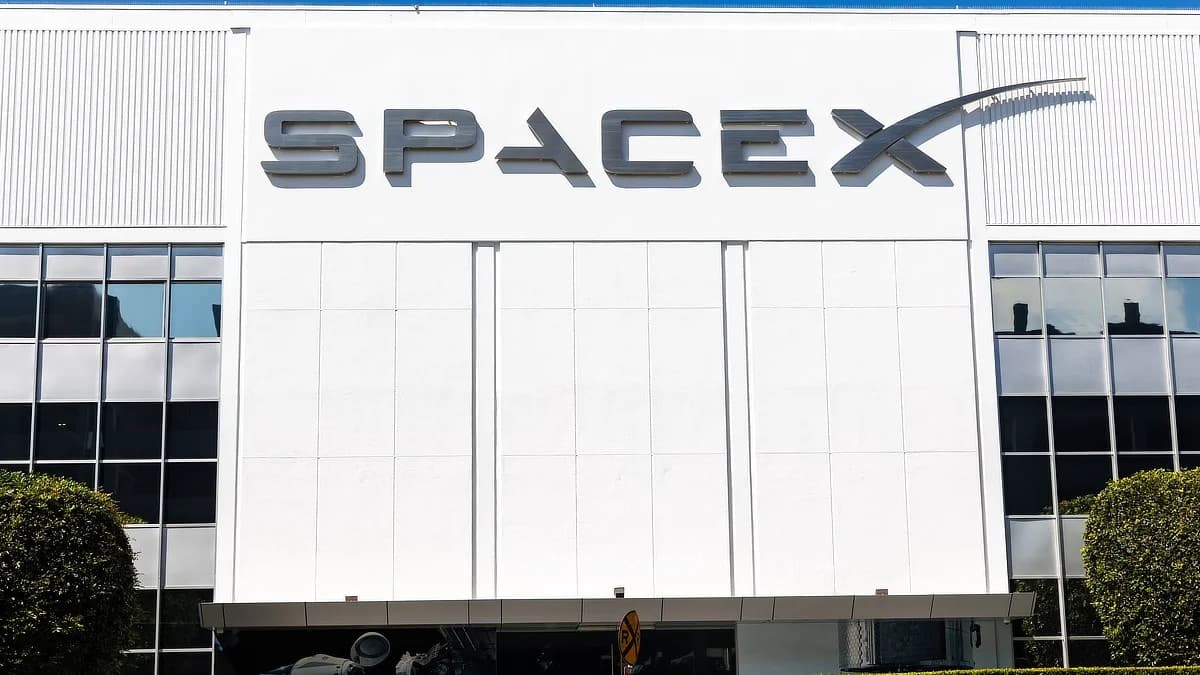
Elon Musk crossed a threshold no individual has ever reached before: a net worth of more than $1 trillion. The milestone arrived on June 12, 2026, when SpaceX completed its long-awaited initial public offering on the New York Stock Exchange under the ticker SPCX.
Shares were priced at $135 in the IPO and surged roughly 30% at open before closing at $160.95, a gain of nearly 20% on its debut day. The offering raised over $75 billion, with the total potentially exceeding $86 billion if over-allotment options are exercised — making it one of the largest IPOs in U.S. history.
With approximately 4.8 billion shares and 350 million stock options, Musk's SpaceX stake alone reached an estimated $326 billion in additional value at the closing price. Combined with his other holdings, Forbes pegged his total fortune at roughly $1.14 trillion, making him comfortably the world's first trillionaire. Before the IPO, he was valued at around $813 billion — already more than twice the wealth of the second-richest person on Earth.
SpaceX's market valuation exceeded $2 trillion on its debut, placing it among the ten most valuable companies listed in the United States — ahead of Tesla, Meta, and Walmart. The company reported $18.7 billion in revenue for 2025, though it also posted a net loss of $4.9 billion, largely attributed to heavy investment in AI infrastructure.
Demand for the IPO was reportedly oversubscribed more than four times, with 20% of shares reserved for retail investors. Employees and early backers benefited significantly from the debut.
Beyond its rocket business, SpaceX encompasses Musk's xAI venture and the social platform X, with ongoing ambitions including Starlink satellite internet expansion, space-based data centers, and eventual Mars colonization missions. The company was founded by Musk in 2002.
The achievement drew sharp reactions. Oxfam America called Musk's rise to trillionaire status "a new pinnacle of oligarchy," highlighting growing concerns about the concentration of wealth at the very top of the global economic ladder.
Sources: