Samsung finally makes AI glasses you might actually wear
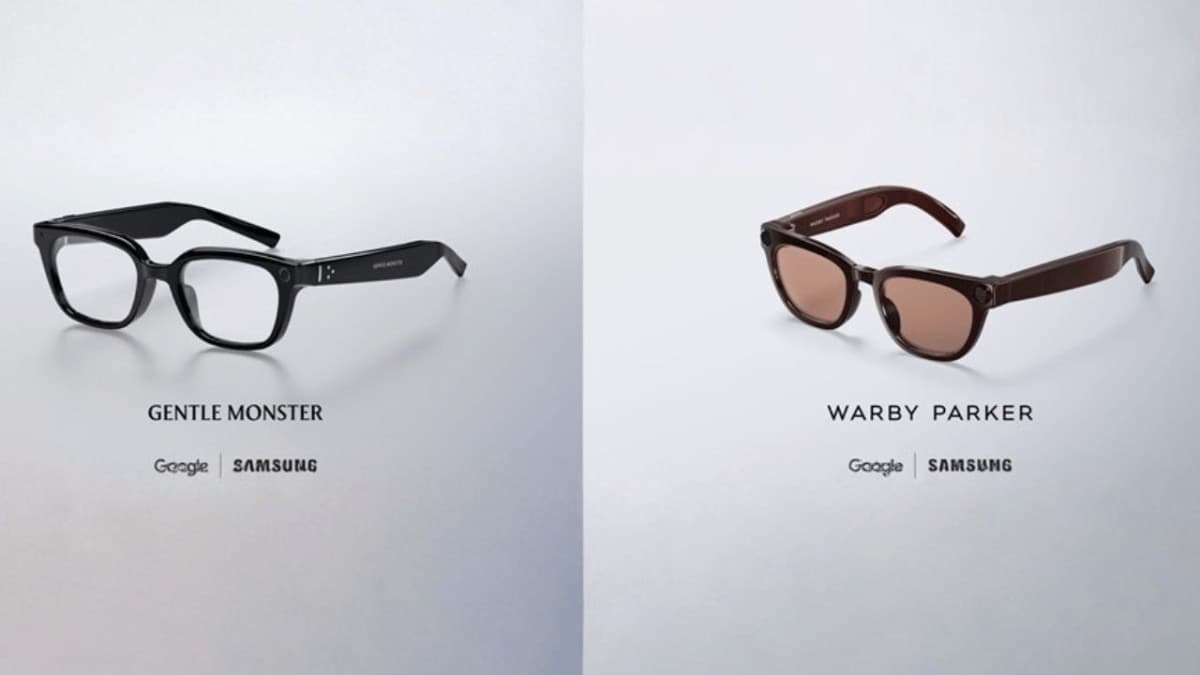
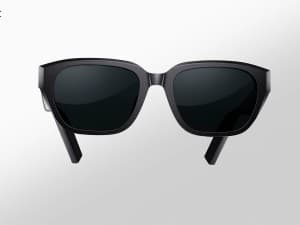
At its Galaxy Unpacked event in London on July 22, Samsung unveiled its first AI smart glasses, a lightweight pair of frames built around Google's Gemini assistant and the Android XR platform. Instead of a bulky headset, Samsung designed the eyewear with fashion brands Gentle Monster and Warby Parker so the glasses look like normal frames first and a smart device second. The product is set to launch in select markets in fall 2026, though Samsung has not yet announced a price.
What the glasses can do
The main idea is hands-free Gemini access. A built-in camera and microphones feed what you see and hear to Gemini, which can then answer questions about your surroundings, give walking directions, send texts, take photos, and read information aloud. Samsung also lists real-time voice translation and text translation, so the glasses can translate a menu or a street sign in your line of sight. As The Gadgeteer explains, the goal is to help in moments where looking down at a phone is awkward or unsafe, rather than to replace the phone entirely.
The hardware
Samsung's newsroom details, reported by Digit, point to a slim frame rated for up to nine hours of battery on a single charge, with a charging case that adds up to seven more full charges. The glasses run on the Qualcomm Snapdragon AR1 Gen 1 platform, the same chip inside Meta's Ray-Ban glasses, tuned here for touch controls, power efficiency, and heat management in a compact frame. Two design directions are planned: a more expressive, fashion-forward look from Gentle Monster and an everyday style from Warby Parker.
Why the Meta comparison matters
Meta's Ray-Ban glasses currently lead this category, so Samsung's choices are aimed directly at that rival. The biggest difference is that Samsung's glasses work with both Android phones and iPhones, while also tying into the wider Galaxy ecosystem. That cross-platform support could make them appealing to more buyers than a device locked to one phone brand. Samsung and Google first showed the project at Google I/O 2026, and this Unpacked showcase confirmed the partners and core hardware.
How much will they cost?
Samsung did not give a price at the launch. Market research firm IDC has projected a range of roughly $600 to $700 (around ₱37,000 to ₱43,000), which would place the glasses above Meta's current lineup. A version with a built-in display is expected to follow later and cost more.
Will they reach the Philippines?
This is the honest local caveat: Samsung has confirmed only a fall 2026 launch in select markets, and has not named the Philippines or given a local price or date. Filipino buyers who want AI eyewear today already have cheaper local options, such as the Infinix AI Glasses XGA01, which sell for ₱8,999 with open-ear audio and translation. Interest in Gemini is also strong here, as shown when Gemini app users more than doubled across Southeast Asia, so demand may exist if Samsung decides to bring the glasses over.
FAQ
When will Samsung's smart glasses launch?
Samsung has confirmed a fall 2026 release in select markets. It has not confirmed Philippine availability.
Do the glasses work with an iPhone?
Yes. Samsung says the glasses are compatible with both Android phones and iPhones.
How long does the battery last?
Up to nine hours on a single charge, with the charging case providing up to seven additional full charges.