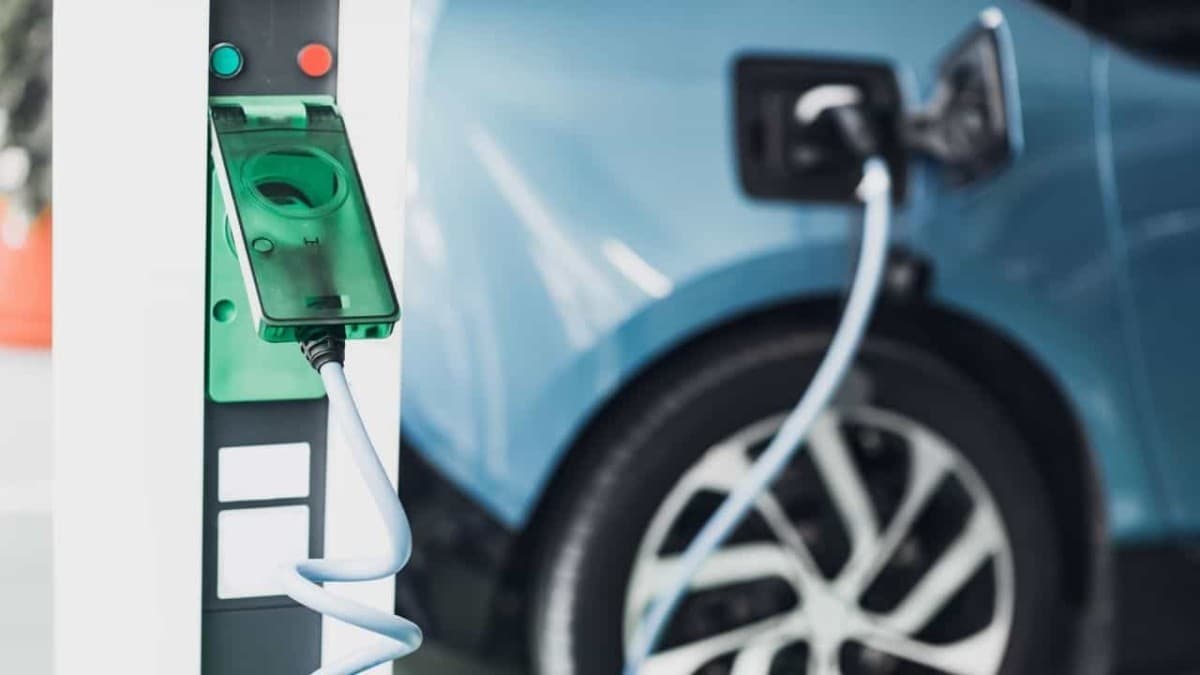
Senate President Sherwin Gatchalian has filed Senate Bill No. 2270, which proposes expanding existing incentives for electric vehicle owners in the Philippines beyond what the current Electric Vehicle Industry Development Act (EVIDA) already provides. The bill adds new non-fiscal perks — toll-free expressway lanes and parking fee discounts — and extends the validity of the EVIDA incentive framework from 8 years to 12 years.
Key Takeaways
- Senate Bill No. 2270, filed by Senate President Gatchalian, amends EVIDA to add new perks for Philippine EV owners.
- New incentives include toll-free access to dedicated EV lanes on expressways and parking fee discounts at public establishments.
- A "buy now, register later" scheme would let buyers operate their EVs immediately while LTO registration is being processed.
- EVIDA's benefit validity extends from 8 to 12 years, keeping the zero percent import duty on EVs and charging equipment in place until 2034.
- Public establishments would be required to reserve at least 20% of parking spaces for EVs, with the share rising 5% every five years.
What Senate Bill 2270 Proposes
SB 2270 builds on EVIDA by stacking new non-fiscal incentives on top of the existing framework:
Proposed new perks:
- Dedicated toll-free expressway lanes for electric vehicles
- Parking fee discounts or waivers at malls, government buildings, and other public establishments
- A "buy now, register later" program allowing new EV buyers to drive their vehicle while LTO registration is still being processed
- A minimum 20% EV-exclusive parking allocation at public establishments, increasing by 5% every five years
Extended fiscal incentives:
- EVIDA's fiscal and non-fiscal incentive validity extended from 8 to 12 years — meaning the zero percent import duty on EVs, parts, and charging infrastructure remains in force until 2034
What EVIDA Already Provides
The current law gives Philippine EV owners several established perks:
- Full exemption from Metro Manila's number coding scheme (Unified Vehicular Volume Reduction Program)
- Priority processing lanes at Land Transportation Office branches
- Zero percent import duty on electric vehicles and related charging equipment and infrastructure
SB 2270 does not replace these — it adds to them.
Why Gatchalian Is Filing This Now
In his explanatory note, Gatchalian frames the bill as an energy security measure. He points to recent fuel price volatility — Philippine gasoline and diesel prices roughly doubled during Middle East supply disruptions — as evidence that the country's dependence on imported oil is a structural economic risk. Accelerating the transport sector's shift to EVs, he argues, is the most direct lever available to reduce that exposure.
The Department of Energy has separately identified permitting bottlenecks for EV charging stations as a key drag on adoption nationwide. The "buy now, register later" provision indirectly addresses one friction point in the ownership experience, though charging infrastructure delays are a separate issue the bill does not directly tackle.
Gatchalian stated: "We need to break our economy's dependence on foreign oil by accelerating the transport sector's shift to EVs."
What Happens Next
SB 2270 must pass committee hearings, plenary debate, and bicameral reconciliation before it can be signed into law. No committee schedule has been announced as of filing. The Philippines currently targets a 50% EV fleet share by 2040 under its broader energy and transport roadmap.
Sources: