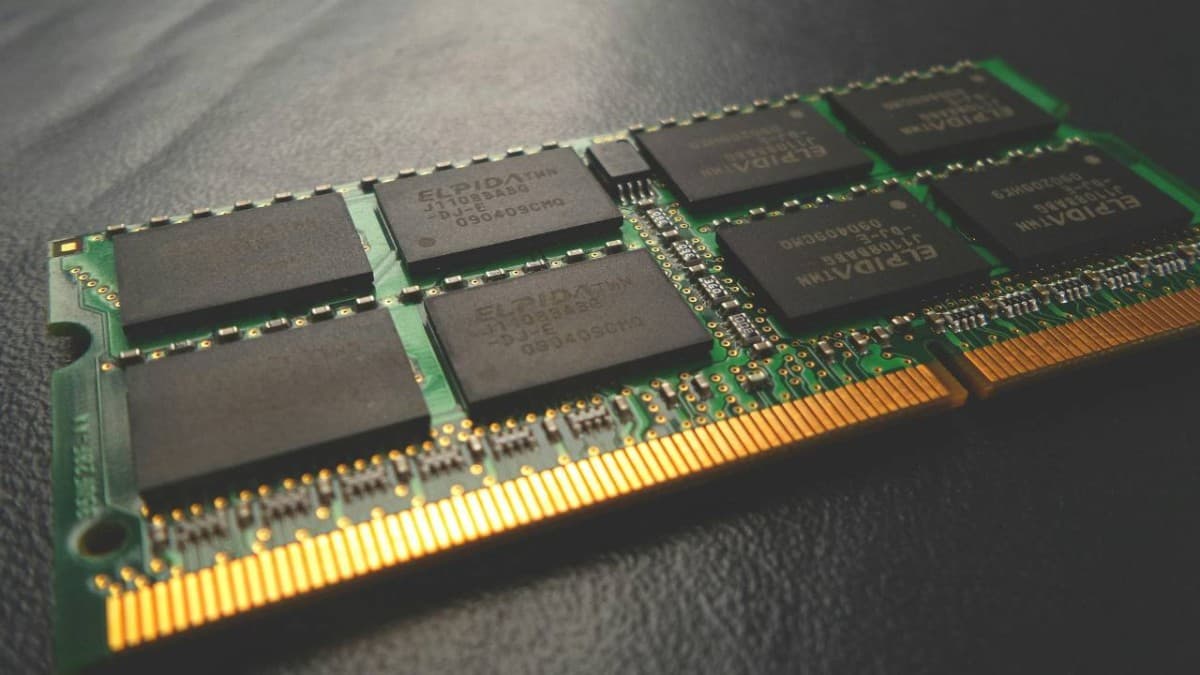
DDR2 memory — a computer memory standard introduced in 2003 — has seen its contract prices surge 55 to 60 percent in the second quarter of 2026, according to market research firm TrendForce. Another 35 to 40 percent increase is forecast for Q3. The culprit is the AI industry's escalating appetite for high-bandwidth memory, which has set off a cascading DRAM shortage that has now reached the oldest standard still in active production.
Key Takeaways
- DDR2 contract prices rose 55–60% in Q2 2026; a further 35–40% increase is forecast for Q3 2026.
- The root cause: Samsung, SK Hynix, and Micron have shifted production toward high-bandwidth memory (HBM) for AI servers, where margins exceed 70%.
- The shortage cascades down the memory hierarchy as device makers unable to source DDR5 or DDR4 downgrade to older standards.
- Only two companies — Taiwan's Winbond and ESMT — still manufacture DDR2; Winbond is actively winding down production.
- Relief is not expected until 2027–2028, when SK Hynix and Micron plan capacity expansions.
The AI Connection to a 23-Year-Old Memory Standard
The link between generative AI and a memory standard from 2003 is indirect but traceable. Major DRAM manufacturers — Samsung, SK Hynix, and Micron — have redirected production capacity toward High Bandwidth Memory (HBM), the stacked DRAM used in AI accelerators like NVIDIA's GPU clusters. HBM carries profit margins that can exceed 70%, making it far more attractive than standard consumer memory.
That reallocation has tightened DDR5 and DDR4 supply. Device makers who can no longer secure DDR4 at reasonable prices have begun substituting DDR3 into their designs. Increased demand for DDR3 then puts pressure on DDR3 suppliers, some of which start looking at DDR2 as an alternative for legacy embedded systems, industrial controllers, and networking hardware. The result is a cascade: AI demand at the top of the memory stack compresses supply at every tier below it.
As The Next Web summarized: "Every wafer allocated to an HBM stack for an Nvidia GPU is a wafer denied to a consumer laptop, a smartphone, or an industrial controller."
A Two-Supplier Market Under Pressure
The DDR2 shortage is compounded by how thin its supply base already was. Only two Taiwanese companies still manufacture DDR2: Winbond and ESMT. Winbond — historically the dominant supplier — is actively winding down DDR2 lines to redirect capacity toward DDR3, DDR4, and LPDDR4 products. ESMT is running at maximum output but cannot offset Winbond's reduction, resulting in a net supply loss at precisely the moment demand from downstream substituters is rising.
China's CXMT has also diverted roughly 20% of its DDR5 capacity toward AI-specific memory chips, further straining the broader DRAM pool.
Who Gets Hit
The price surge affects a specific class of hardware:
- Industrial PLCs and controllers — many still designed around DDR2 for cost and legacy toolchain reasons
- Embedded networking hardware — enterprise switches and routers running older silicon
- Automotive modules — legacy infotainment and ADAS units with fixed memory specs
- Legacy PC repair — DDR2 DIMMs for older desktop and laptop platforms
TrendForce forecasts that devices relying on legacy chipsets will face component cost increases of 10–20% by year-end 2026. Anyone repairing or upgrading systems that take DDR2 should expect to pay significantly more than even twelve months ago.
When Does the Pressure Ease?
SK Hynix and Micron have announced capacity expansion plans, but neither expects new production to come online before 2027–2028. In the near term, no new DDR2 manufacturers are entering the space — the economics for a new entrant targeting a niche, legacy standard are poor even at elevated prices.
The broader DRAM market won't rebalance until AI server memory demand plateaus or HBM capacity expands enough to stop pulling wafers away from standard memory lines — neither of which analysts expect before 2027.
Sources: