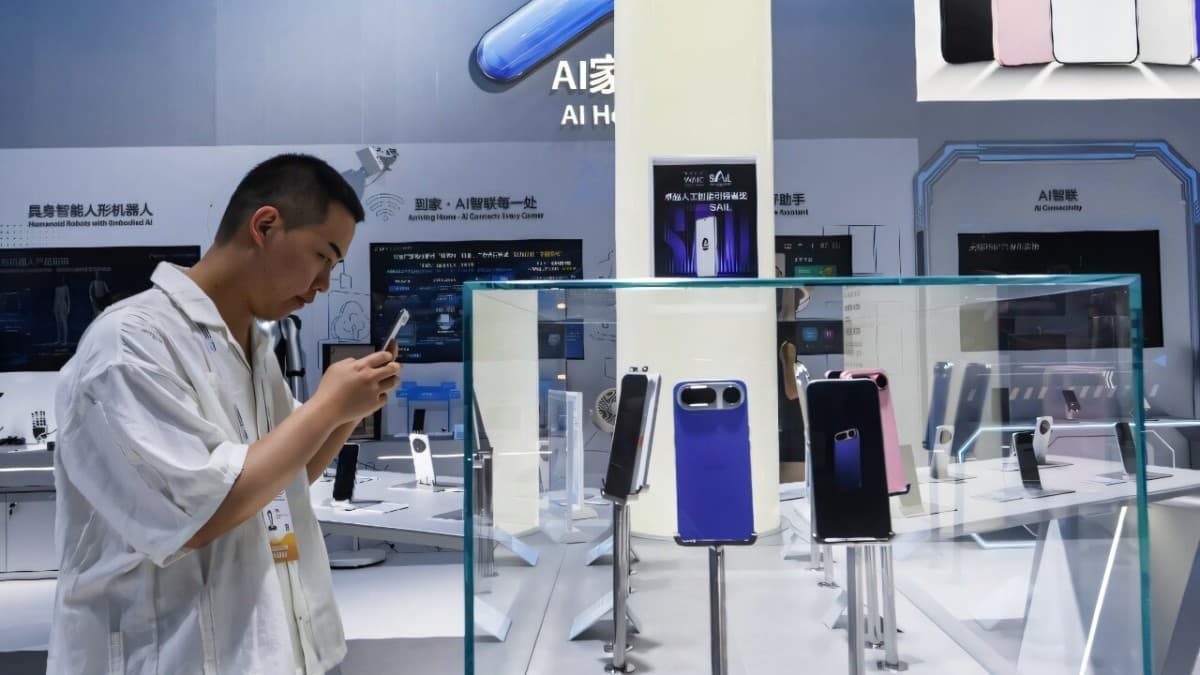
Agentic phones were the headline act at the World Artificial Intelligence Conference (WAIC) 2026 in Shanghai over the weekend. At least three Chinese companies showed handsets built around AI agents — software that can carry out several steps on its own, such as comparing prices, ordering food or booking a trip, from one voice command. The problem is already visible: the biggest Chinese apps do not want those agents operating inside their platforms.
Three agentic phones on the WAIC 2026 floor
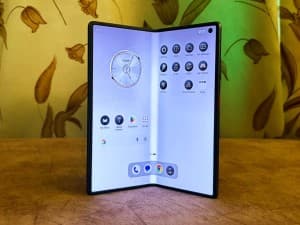
- Nubia NaviX Ultra. The phone runs on Doubao, the very popular chatbot from ByteDance, the company behind TikTok. "A new era of AI agent smartphones begins," Nubia said as it posted images of the handset online. According to Chinese tech media, the NaviX Ultra does not try to force its way into other apps; it tries to work with them instead.
- HONOR Robot Phone. HONOR demonstrated the AI system for its Robot Phone, whose camera flips up on a small robotic arm. The company calls the device "companion-centric" and says it can read hand gestures, move in time with music, take selfies and steady video. HONOR said an agent built on several AI models — some co-developed with Alibaba — will be embedded when the phone goes on sale later this year.
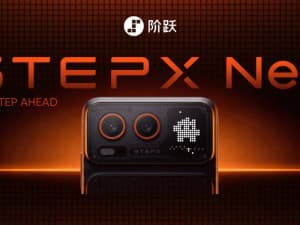
- StepFun STEPX Neo. The Shanghai AI startup revealed its "AI agent-native smartphone" just before the conference. StepFun chairman Yin Qi said "deep partnerships" are in place with major Chinese platforms including the payments app Alipay and ride-hailing giant Didi, so the phone can handle travel bookings, everyday purchases, local services, office work and video editing in one place.
We have written about two of these devices before: the StepFun STEPX Neo and its agent-first operating system and the HONOR Robot Phone's motorised gimbal camera.
The blocking problem: why big apps cut agents off
The clearest warning sign came from ByteDance's own hardware. A limited run of a prototype called the "Doubao Phone" sold out quickly in December. At first it could follow simple voice commands across apps, including ordering food and comparing shopping prices. Then, only days after release, Alibaba, Tencent and JD.com restricted the assistant's access to their platforms, which effectively disabled the agent. ByteDance responded by switching the tool off in certain situations, including anything involving payments.
That is not a technical failure. It is a business decision by the platforms.
"Platforms want to keep direct contact with their users," said Kiranjeet Kaur, associate research director at the market intelligence firm IDC, otherwise "they lose control to another party." She added a blunt assessment of where the technology stands: "Agenting is everyone's dream, but we haven't reached there yet" — the tools still work unevenly.
This is why StepFun's approach matters. Rather than scraping or automating apps without permission, it signed agreements with Alipay and Didi first. Nubia's stated plan to "collaborate" with apps rather than break into them points the same way. Permission, not clever automation, looks like the real bottleneck.
The race outside China
China is not alone. Google has been adding steadily more capable AI features to Android phones, including booking appointments. The US startup Brain Technologies launched an agentic "Natural AI Phone" that went on sale in Japan in April with mobile operator SoftBank Corp. In an April demonstration to AFP, that phone messaged a contact to apologise for being late using only a spoken command — but it also often failed to complete requests, the same wire report noted.
"There is no clear winner in this race yet, which is why it is currently quite a hot topic," said Marc Einstein of Counterpoint Research. He expects that in five or ten years we will not be using apps "like we do today," and that the shift "will fundamentally change the digital economy and disrupt business models."
What an agent phone would need to work in the Philippines
None of these three handsets has an announced Philippine price or release date. HONOR sells phones here through its own stores, Lazada, Shopee and TikTok Shop, but the Robot Phone has only been confirmed for a China launch later this year. Nubia's NaviX Ultra and StepFun's STEPX Neo have no stated Philippine availability at all.
The deeper point for Filipino readers is the permission problem, not the hardware. An agent phone would only be useful here if it could reach the services people actually use every day — GCash and Maya for payments, Lazada and Shopee for shopping, Grab and food-delivery apps for rides and meals. Each of those companies would have to agree to let an outside agent act on a user's behalf, and the Chinese experience shows large platforms tend to say no first. Payments are the hardest case: ByteDance itself pulled its agent back from payment flows once the big apps pushed back.
What to watch next
Three things will show whether agentic phones move past the demo stage: whether HONOR ships the Robot Phone's Alibaba-backed agent on schedule this year, whether StepFun's Alipay and Didi partnerships hold up in daily use, and whether any major platform outside China voluntarily opens itself to third-party agents. Until platforms decide that agents are partners rather than middlemen, these phones will keep doing impressive demos on a conference floor and much less once they leave it.